Tongue, Lip, and Cheek Piercings: Dental Risks and How to Prevent Them
Oral piercings on the tongue, lips, or cheeks are a personal style choice, and many people wear them for years without major problems. But the mouth is a busy, moving environment, and metal jewelry sitting against teeth and gums can quietly cause damage over time. If you are considering an oral piercing, or already have one, understanding the dental risks helps you make informed choices and catch problems early.
How Oral Piercings Can Damage Teeth and Gums
The jewelry itself is usually harmless in material, but its constant contact with hard and soft tissue in the mouth is where the trouble starts.
Chipped and Cracked Teeth
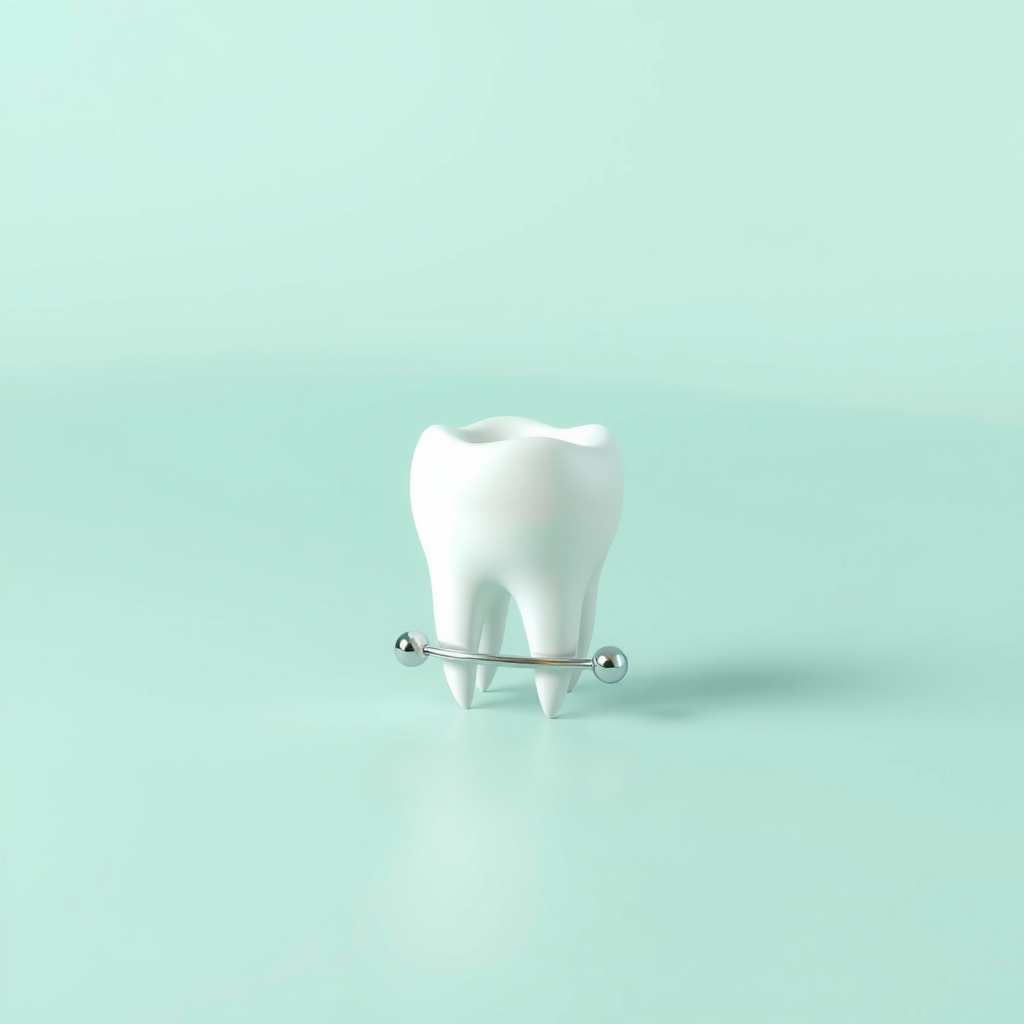
A tongue barbell can click against the back of the upper or lower front teeth every time you talk, chew, or swallow. Over months and years, this repeated contact can chip enamel or even crack a tooth, especially if the habit includes playing with the jewelry using the teeth.
Gum Recession
Lip and cheek piercings often rest close to the gum line. The constant rubbing of the flat back of the jewelry against the gums can wear the tissue away, a condition called gum recession. Once gum tissue recedes, it does not grow back on its own, and the exposed tooth root can become sensitive to hot, cold, and sweet foods.
Infection and Swelling
The mouth carries a lot of bacteria, and a fresh piercing is essentially an open wound. In the days after piercing, the tongue or lip can swell significantly, sometimes enough to affect breathing or swallowing in rare cases. Even after healing, an oral piercing can trap food particles and plaque around the jewelry, raising the risk of gum infection, bad breath, and slow-healing sores.
Other Concerns
- Increased saliva flow and speech changes right after piercing
- Jewelry parts coming loose and posing a choking or swallowing risk
- Nerve damage in the tongue or lip if the piercing is placed incorrectly
- Interference with dental X-rays or orthodontic treatment
Prevention Tips If You Are Considering a Piercing
If you have decided an oral piercing is right for you, a few precautions can lower the risks considerably.
- Choose a licensed, experienced piercer who uses sterile, single-use needles
- Ask about jewelry material; implant-grade titanium or niobium is generally gentler than nickel-based metals
- Pick the shortest barbell length that is comfortable, since less length means less movement against teeth and gums
- Plan the piercing when you do not have important events or travel for at least a week, in case of swelling
- Visit us at Cliniva Dental Clinic in DLF Phase 2, Gurugram before or shortly after piercing so we can check your bite and gum health as a baseline
Care Tips If You Already Have an Oral Piercing
For those who already wear tongue, lip, or cheek jewelry, good daily habits can prevent most complications.
- Rinse with an alcohol-free antiseptic mouth rinse after meals
- Brush the jewelry gently along with your teeth to remove trapped food and plaque
- Avoid clicking, twisting, or biting the jewelry as a habit
- Check the tightness of the balls or ends regularly so nothing comes loose
- Switch to a shorter barbell once initial swelling goes down
- Remove piercings during sports or sleep if recommended by your piercer or dentist
- Come in for a dental check up if you notice a chip, gum bleeding, or a receding gum line
| Warning Sign | What It May Mean |
|---|---|
| Chip or rough edge on a front tooth | Enamel damage from jewelry contact |
| Gum pulling away near lip or cheek piercing | Early gum recession |
| Persistent swelling, pus, or bad taste | Possible infection needing evaluation |
| Tooth sensitivity at the gum line | Exposed root surface from recession |
When to See a Dentist
Do not wait for pain before getting checked. Chipped enamel and early gum recession are often painless at first but tend to worsen with time. Regular dental visits allow us to spot these changes early, adjust care advice, and treat any damage before it progresses. If you live around DLF Phase 2, Sector 25, our team at Cliniva Dental Clinic can assess your piercing, your bite, and your gum health together as part of a routine check up.
Oral piercings can be worn safely by many people, but they do carry real dental risks that are easy to overlook. With careful jewelry choice, good hygiene, and regular dental monitoring, you can enjoy your piercing while protecting your teeth and gums for the long run.
Have questions about your teeth?
Cliniva Dental Clinic · DLF Phase 2, Sector 25, Gurugram
Frequently asked questions
Are tongue piercings worse for teeth than lip piercings?
Tongue piercings tend to cause more chipping because the metal barbell repeatedly hits the back of the front teeth during talking, eating, and sleeping. Lip and cheek piercings are more linked to gum recession where the jewelry rubs against the gum line.
How long after getting an oral piercing should I see a dentist?
It is wise to have a dental check within a few weeks of getting the piercing so we can note the jewelry's position and check for early gum or enamel changes, then continue with routine six-monthly visits.
Can I keep my piercing if I already have gum recession?
It depends on the severity. Mild recession can sometimes be managed by switching to a shorter barbell and changing habits, but noticeable recession usually means the piercing should be removed and the area monitored or treated.
Is a shorter barbell really safer than a longer one?
Yes. A shorter, snug-fitting barbell reduces the amount of movement inside the mouth, which lowers the chance of it knocking against teeth or dragging across gum tissue.
Treatment costs mentioned on this page are indicative ranges for the DLF Phase 2, Gurugram region. Your exact cost depends on your case and will be confirmed after a clinical examination at the clinic.