Tooth Enamel Erosion: Causes, Treatment, and Prevention
If your teeth have started to look more yellow, feel rough at the edges, or react sharply to cold water and ice cream, thinning enamel could be the reason. Enamel is the hard, protective outer layer of your teeth, and once it wears away, it does not grow back. Understanding what causes this erosion is the first step to protecting the teeth you have left.
What Is Tooth Enamel Erosion
Enamel is the hardest tissue in the human body, but it is not indestructible. Acids can soften and gradually dissolve its mineral structure. Over time, this thinning exposes the yellowish dentin layer underneath, which is why worn teeth often look darker even though nothing has stained them. Enamel loss is permanent, so prevention and early management matter far more than trying to reverse existing damage.
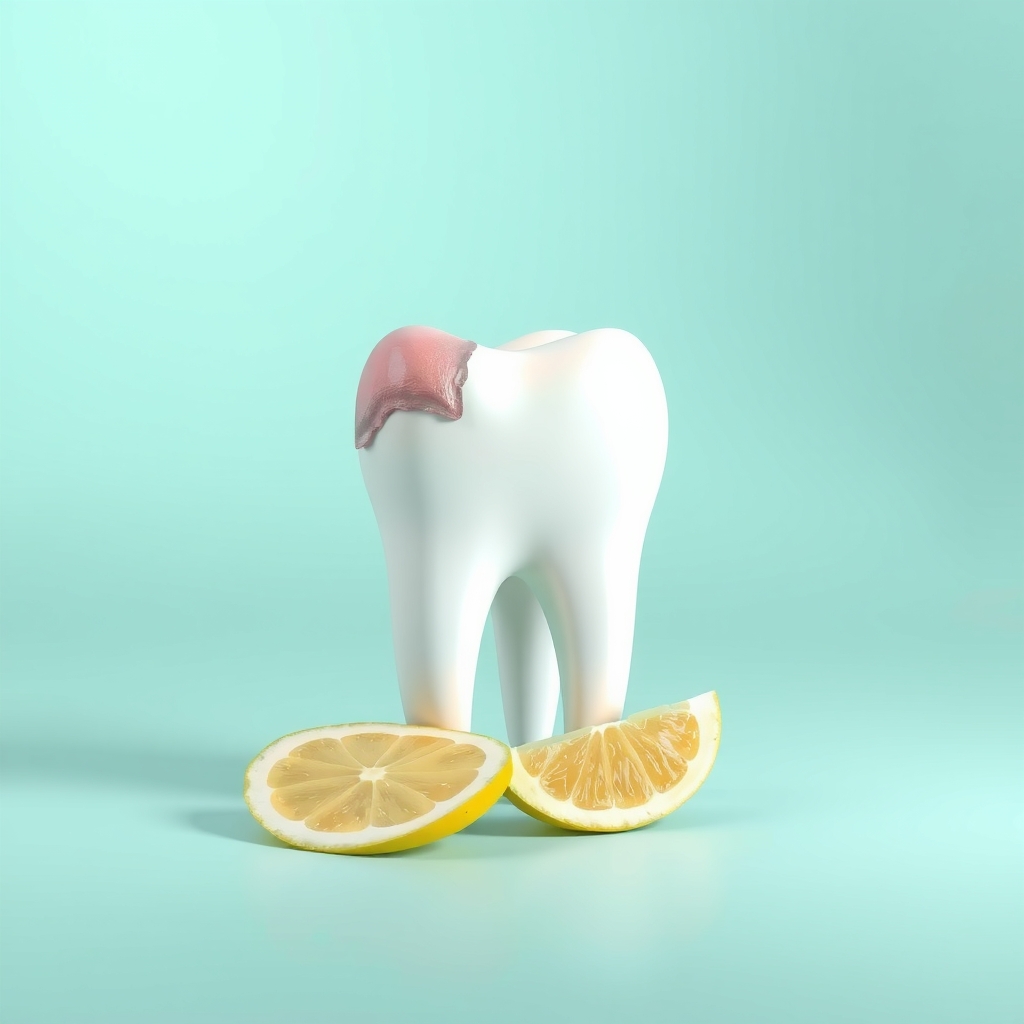
Common Causes of Enamel Erosion
Acidic Foods and Drinks
Frequent consumption of citrus fruits, fizzy drinks, fruit juices, wine, and vinegar-based foods lowers the pH in your mouth. Each acid exposure softens enamel for a short window, and repeated exposures throughout the day add up over months and years.
Acid Reflux and GERD
Stomach acid is far stronger than dietary acid. In people with acid reflux or gastroesophageal reflux disease (GERD), acid regularly reaches the mouth, often without obvious heartburn symptoms. This tends to erode the back surfaces of the upper teeth first, a pattern dentists can often recognise during an exam.
Aggressive Brushing
Brushing too hard, using a hard-bristled brush, or brushing immediately after consuming something acidic can physically wear away softened enamel. This often causes notching near the gumline along with gum recession.
Other Contributing Factors
- Dry mouth, which reduces the saliva that naturally neutralises acid
- Teeth grinding (bruxism), which adds mechanical wear to chemically weakened enamel
- Frequent vomiting, including from conditions like bulimia or morning sickness
- Certain medications that reduce saliva flow
Signs You May Be Noticing
- Increased sensitivity to cold, hot, sweet, or sour foods
- Teeth appearing more yellow as dentin shows through
- Rounded, smooth, or shiny tooth surfaces
- Small cracks, chips, or transparent-looking edges on front teeth
- A dip or notch near the gumline
Treatment Options
Treatment depends on how much enamel has already been lost and what is driving the erosion.
- Fluoride treatments: Professional fluoride application can strengthen remaining enamel and reduce sensitivity in early stages.
- Desensitising agents: Special pastes or in-clinic treatments can calm nerve sensitivity in exposed dentin.
- Dental bonding: Tooth-coloured composite resin can be applied to protect thin or notched areas and restore a more even appearance.
- Veneers or crowns: For more significant wear, these restorations protect the tooth structure and improve appearance and function.
- Nightguards: If grinding is contributing to wear, a custom nightguard can prevent further mechanical damage.
- Managing acid reflux: Working with a physician to control GERD reduces ongoing acid exposure to the teeth.
At Cliniva Dental Clinic in DLF Phase 2, Gurugram, we assess the pattern and extent of wear before recommending a treatment plan, since erosion caused by reflux needs a different approach compared to erosion from diet or brushing habits.
Prevention Tips
- Use a soft-bristled toothbrush and gentle, circular brushing motions
- Wait at least 30 minutes after eating or drinking something acidic before brushing
- Rinse with plain water after acidic foods or drinks rather than brushing immediately
- Use a straw for acidic or sugary drinks to reduce contact with teeth
- Chew sugar-free gum to encourage saliva flow, especially after meals
- Discuss ongoing reflux symptoms with your doctor
- Have regular dental checkups so early enamel softening can be caught before it becomes permanent loss
| Treatment | Best suited for | Typical range (INR) |
|---|---|---|
| Fluoride application | Early softening, mild sensitivity | Included in checkup or nominal add-on |
| Dental bonding | Localised notches or chips | Varies per tooth, discussed after exam |
| Veneers | Visible front teeth with significant wear | Wide range depending on material |
| Nightguard | Grinding-related wear | Custom fitted, priced after consultation |
Exact costs depend on the extent of erosion and the materials used, and our team at Cliniva Dental Clinic will always explain options and pricing clearly before any treatment begins.
Have questions about your teeth?
Cliniva Dental Clinic · DLF Phase 2, Sector 25, Gurugram
Frequently asked questions
Can eroded enamel grow back?
No, enamel does not regenerate once it is lost because it has no living cells. However, early softening from acid exposure can sometimes be re-hardened with fluoride before permanent loss occurs. Existing erosion is managed rather than reversed.
How do I know if I have enamel erosion or just staining?
Erosion usually comes with other signs like sensitivity to cold or sweet foods, a smooth or shiny tooth surface, rounded edges, or teeth that look more yellow because the dentin underneath is showing through. Staining alone does not usually cause sensitivity.
Is it safe to keep using whitening toothpaste if my enamel is thin?
Many whitening toothpastes contain mild abrasives that can worsen thinning enamel over time. It is best to have a dentist check your enamel thickness first and recommend a gentler, enamel-safe option if needed.
Will enamel erosion get worse if I ignore it?
Yes, without changes to diet, brushing habits, or acid reflux management, erosion tends to progress gradually, leading to more sensitivity, yellowing, and a higher risk of cavities and chipping.
Treatment costs mentioned on this page are indicative ranges for the DLF Phase 2, Gurugram region. Your exact cost depends on your case and will be confirmed after a clinical examination at the clinic.