Snoring and Sleep Apnea: How Dentists Diagnose and Treat with Oral Appliances
Loud snoring, gasping during sleep, or feeling exhausted despite a full night's rest are common complaints we hear from patients across DLF Phase 2, Gurugram. Many people assume the only options are ignoring it or using a CPAP machine. In reality, dentists play an important role in diagnosing snoring-related problems and offering custom oral appliances as a comfortable alternative or supplement to other treatments.
Understanding Snoring and Obstructive Sleep Apnea
Snoring happens when air struggles to move freely through the throat during sleep, causing tissues to vibrate. Obstructive sleep apnea (OSA) is a more serious condition where the airway repeatedly narrows or closes, causing brief pauses in breathing. This can lead to poor sleep quality, daytime fatigue, morning headaches, and over time, may affect heart health and concentration.
Not everyone who snores has sleep apnea, but persistent, loud snoring combined with daytime tiredness is worth discussing with a dentist or doctor.
How Dentists Diagnose the Problem
During a dental evaluation, we look at factors that can contribute to airway narrowing, such as:
- Jaw size and position
- Tongue size and posture
- Tonsil and throat space
- Nasal breathing patterns
- History of teeth grinding, which can sometimes accompany sleep-disordered breathing
If sleep apnea is suspected, we usually recommend a sleep study, either at a sleep lab or a validated home-based test, to measure how often breathing is disrupted and how severe the condition is. This diagnosis is typically made or confirmed by a sleep physician, and the dentist works alongside them to plan treatment.
Who Is a Good Candidate for an Oral Appliance
Oral appliance therapy is generally considered for:
- Adults with mild to moderate obstructive sleep apnea
- Simple snorers without significant apnea, seeking relief for themselves or a partner
- Patients who cannot tolerate CPAP masks or find them uncomfortable
- Patients with enough healthy teeth to support and retain a custom device
- People without severe jaw joint (TMJ) problems, since appliances shift the jaw position slightly
Patients with severe OSA may still benefit from oral appliances, but this is usually decided in consultation with a sleep physician, sometimes as a combination approach.
How the Oral Appliance Works
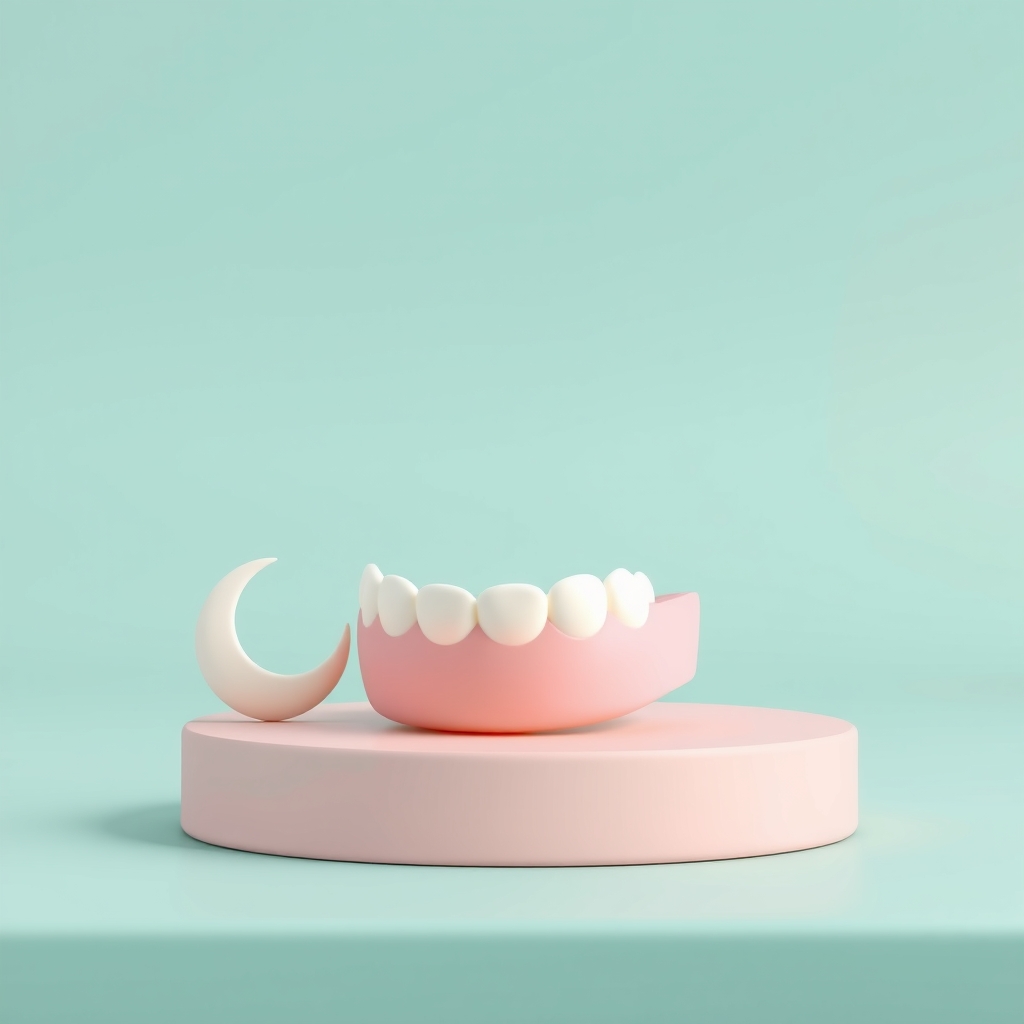
Most dental sleep appliances work by gently repositioning the lower jaw slightly forward. This movement helps keep the airway more open by preventing the tongue and soft tissues from collapsing backward during sleep. Unlike over-the-counter mouthguards, these devices are custom-made from dental impressions or digital scans, ensuring a precise, comfortable fit.
What to Expect During Treatment
- Consultation and Screening: We review your symptoms, medical history, and any existing sleep study results.
- Referral for Sleep Study: If you have not been tested yet, we may refer you to confirm diagnosis and severity.
- Custom Fitting: Impressions or digital scans of your teeth are taken to design an appliance that fits your mouth precisely.
- Fitting and Adjustment: The appliance is fitted, and the jaw position is gradually adjusted over follow-up visits to find the most effective, comfortable setting.
- Follow-up Sleep Testing: A repeat sleep study may be suggested to check how well the appliance is working.
- Ongoing Monitoring: Regular dental visits help check the fit, your bite, and jaw comfort over time.
Caring for Your Oral Appliance
- Clean it daily with a soft brush and mild soap or a denture cleaner
- Store it in its case when not in use
- Avoid hot water, which can warp the material
- Bring it to dental check-ups for wear inspection
Cost Considerations
Costs vary based on the type of appliance, materials, and the number of adjustment visits required. In DLF Phase 2, Gurugram, the typical range for a custom sleep appliance can span from a few thousand rupees for simpler devices to a higher amount for advanced, adjustable designs. Your dentist can give you a clearer estimate after your evaluation, as pricing depends on your specific needs.
When to See a Dentist
If you or your partner notice loud snoring, choking or gasping sounds during sleep, or ongoing daytime fatigue, it is worth getting evaluated. Early diagnosis can prevent complications and help you find a treatment, whether that is an oral appliance, CPAP, or a combination approach, that fits comfortably into your life.
Have questions about your teeth?
Cliniva Dental Clinic · DLF Phase 2, Sector 25, Gurugram
Frequently asked questions
Can a dentist really treat sleep apnea, or only snoring?
Dentists can provide oral appliance therapy for snoring and for mild to moderate obstructive sleep apnea, usually after a sleep study confirms the diagnosis and severity. Severe cases are often managed together with a sleep physician, sometimes alongside or instead of CPAP.
Are oral appliances as effective as CPAP?
CPAP is generally considered more effective for moderate to severe sleep apnea, but many patients cannot tolerate it long term. Oral appliances are a well-studied alternative that work well for snoring and mild to moderate cases, and for some people who cannot use CPAP consistently.
Will the appliance change my bite permanently?
Minor bite changes can occur with long-term use in some patients. This is why regular dental check-ups are important while using the appliance, so any changes can be monitored and managed early.
Do I need a sleep study before getting an oral appliance?
Yes, a sleep study (in-lab or home-based) is recommended to confirm whether you have obstructive sleep apnea and how severe it is. This helps decide if an oral appliance is a suitable treatment for you.
Treatment costs mentioned on this page are indicative ranges for the DLF Phase 2, Gurugram region. Your exact cost depends on your case and will be confirmed after a clinical examination at the clinic.