Tongue Scraping: Benefits and the Right Way to Do It
Most people in DLF Phase 2, Gurugram brush and floss regularly, but one simple step often gets left out of the daily routine: tongue scraping. This quick habit takes less than a minute and can make a noticeable difference to your breath and overall mouth freshness. Here is what tongue scraping is, why it helps, and how to do it correctly.
What Is Tongue Scraping?
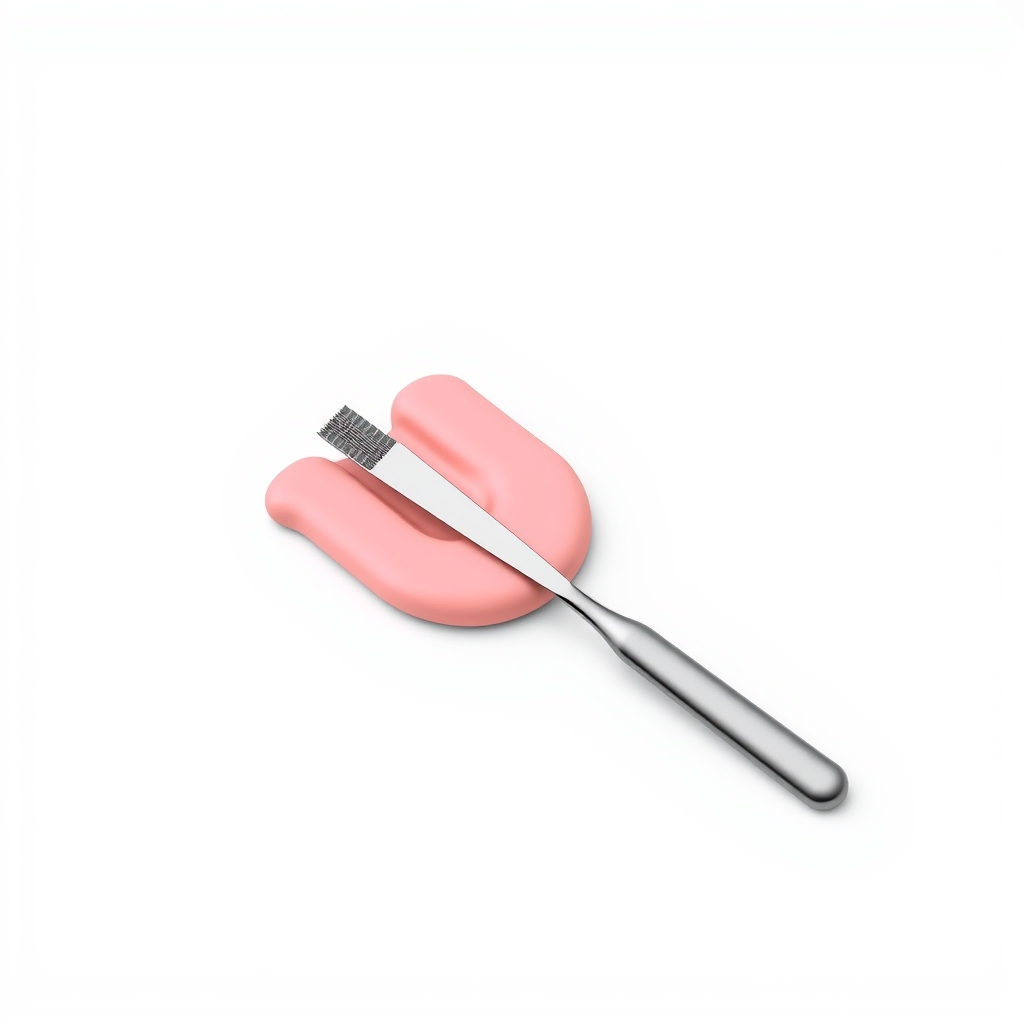
Tongue scraping is the practice of using a small tool, usually made of plastic or metal, to gently remove the coating that builds up on the surface of your tongue. This coating is a mix of dead cells, food debris, and bacteria. It tends to accumulate more at the back of the tongue, which is also where a lot of bad breath originates.
While brushing your teeth does clean some of the tongue, a toothbrush is not shaped to reach and lift this coating efficiently. A dedicated scraper is designed with a curved edge that follows the natural shape of the tongue.
Why Tongue Scraping Helps
The bacteria living on the tongue's surface release sulphur compounds as they break down food particles and dead cells. These compounds are a major cause of bad breath, also known as halitosis. Removing this layer daily reduces the bacterial load and can noticeably improve breath freshness.
- Fresher breath: Less bacterial buildup means fewer odour-causing compounds.
- Better taste perception: A cleaner tongue surface may help your taste buds work more effectively.
- Reduced bacterial load: Fewer bacteria on the tongue can mean less bacteria circulating in the mouth overall.
- Complements brushing and flossing: It targets an area that brushing alone often misses.
It is worth noting that tongue scraping is a supportive habit, not a cure for chronic bad breath caused by gum disease, cavities, sinus issues, or digestive conditions. If bad breath persists despite good oral hygiene, it is worth getting checked.
How to Scrape Your Tongue Correctly
The technique matters. Scraping too hard or in the wrong direction can irritate the tongue without giving you the full benefit. Follow these steps for a safe, effective routine.
- Stick your tongue out as far as is comfortable.
- Place the scraper as far back on the tongue as you can without triggering a strong gag reflex.
- Gently pull the scraper forward toward the tip of the tongue, using light to moderate pressure.
- Rinse the scraper under running water to remove the coating you have collected.
- Repeat this motion two to three times, moving slightly to cover the entire surface, including the sides.
- Rinse your mouth with water once you are done.
Always scrape from back to front, never side to side or in a scrubbing motion. This single direction is more effective and far more comfortable.
When to Scrape
The best time is first thing in the morning, before eating or drinking, since this is when the coating is at its thickest after a night's sleep. Some people with ongoing breath concerns also scrape at night after their last meal.
Choosing a Tongue Scraper
Tongue scrapers are widely available and generally fall into a few categories.
| Type | Notes |
|---|---|
| Stainless steel | Durable, easy to clean, long-lasting with proper care |
| Plastic | Affordable and widely available, may need replacing more often |
| Copper | Traditionally used in Ayurveda, has natural antimicrobial properties |
Whichever type you choose, replace it if it becomes bent, cracked, or develops a sharp edge.
A Few Precautions
- Do not press too hard, as this can cause soreness or minor bleeding.
- Avoid scraping if you have a cut, ulcer, or infection on the tongue until it heals.
- Clean your scraper after every use and replace it periodically for hygiene.
- If you notice a persistent thick white or yellow coating that does not improve with regular scraping, it is worth mentioning to your dentist, as this can sometimes signal an underlying issue.
Making It a Daily Habit
Tongue scraping only takes about 30 seconds once you get used to it. Pairing it with your existing morning brushing routine makes it easy to remember. Over time, many patients at our DLF Phase 2, Gurugram clinic tell us it becomes a habit they would not want to skip, simply because of how much fresher their mouth feels afterward.
If you have questions about your oral hygiene routine or notice ongoing bad breath despite good habits, the team at Cliniva Dental Clinic is happy to take a look and offer guidance suited to your specific needs.
Have questions about your teeth?
Cliniva Dental Clinic · DLF Phase 2, Sector 25, Gurugram
Frequently asked questions
Can I use my toothbrush instead of a tongue scraper?
You can brush your tongue gently with a toothbrush, but a scraper is more effective because it is designed to lift and remove the coating in one smooth motion rather than just pushing it around.
How often should I scrape my tongue?
Once a day, ideally in the morning before breakfast, is enough for most people. Some with persistent bad breath may benefit from scraping both morning and night.
Does tongue scraping hurt?
It should not hurt. If you feel pain or gagging, use lighter pressure, start further forward on the tongue, and build up gradually as your tongue adjusts.
Can tongue scraping replace brushing and flossing?
No. It is an add-on step. Brushing twice daily and flossing once daily remain the foundation of oral hygiene, with tongue scraping as a helpful extra.
Treatment costs mentioned on this page are indicative ranges for the DLF Phase 2, Gurugram region. Your exact cost depends on your case and will be confirmed after a clinical examination at the clinic.