Water Flosser vs String Floss: Which One Should You Use?
Brushing alone cleans only about sixty percent of your tooth surfaces. The rest, especially the tight spaces between teeth and under the gumline, needs an interdental cleaning tool. At Cliniva Dental Clinic in DLF Phase 2, Sector 25, Gurugram, patients often ask whether a water flosser or traditional string floss is the better choice. The honest answer is that both work, but they suit different needs. Here is a clear comparison to help you decide.
How Each Tool Works
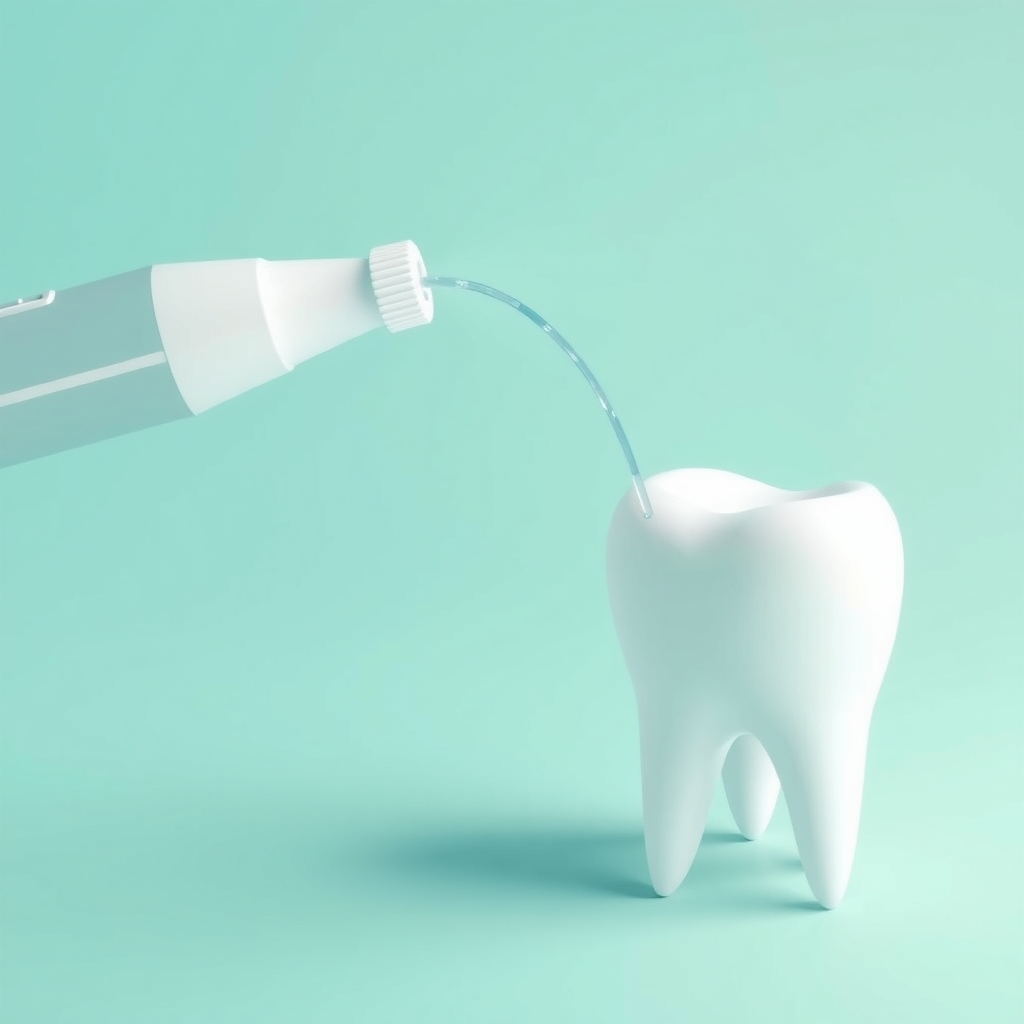
String floss is a thin thread that you guide between teeth and gently move against each tooth surface to scrape off plaque and trapped food. A water flosser uses a thin, pressurised stream of water to flush out debris and bacteria from between teeth and along the gumline.
String Floss
- Removes plaque through direct physical contact and scraping
- Reaches tight contact points between teeth well
- Requires good finger dexterity and technique
Water Flosser
- Flushes out loose debris and reduces bacteria with water pressure
- Easier to use around braces, bridges, and implants
- Does not physically scrape off sticky plaque as thoroughly as string floss
Effectiveness: What Dental Research Suggests
Several clinical studies show that water flossers are effective at reducing gum bleeding and gingivitis, sometimes more so than string floss for people who do not floss correctly by hand. However, string floss still has a long track record for plaque removal when used with proper technique. In short, the better tool is often the one you will actually use correctly and consistently every day.
For patients with crowded teeth, braces, or deep gum pockets, our dentists at Cliniva Dental Clinic sometimes recommend water flossers as they are gentler and easier to manoeuvre around brackets and wires.
Ease of Use
This is where the two tools differ most for everyday patients in DLF Phase 2.
- String floss needs practice. Many people find it awkward at first, especially reaching back teeth, and some give up due to bleeding gums or sore fingers.
- Water flossers are generally easier for children, elderly patients, people with arthritis, and anyone with limited hand mobility. You simply glide the tip along the gumline.
If you travel often, floss picks or travel-sized string floss are more convenient than carrying a water flosser unit and finding a power socket.
Cost Comparison
Cost is often the deciding factor for many patients. Here is a general idea for DLF Phase 2, Gurugram.
| Tool | Typical Range (One-Time or Ongoing) | Notes |
|---|---|---|
| String floss (per roll) | Typical range: INR 50 to INR 200 | Lasts weeks to months depending on usage |
| Floss picks (pack) | Typical range: INR 80 to INR 250 | Convenient but generates more plastic waste |
| Basic water flosser | Typical range: INR 1,500 to INR 3,500 | One-time purchase, needs occasional tip replacement |
| Premium water flosser | Typical range: INR 4,000 to INR 9,000 | Multiple pressure settings, larger water tank |
String floss is cheaper upfront, but a water flosser is a one-time investment that can last years with proper care. Actual prices vary by brand and store, so treat these as typical ranges rather than fixed costs.
Who Should Choose What
- Choose string floss if you have good dexterity, want a low-cost option, and are comfortable with the technique.
- Choose a water flosser if you have braces, implants, bridges, sensitive gums, or find string floss difficult to manage.
- Consider using both for the most thorough clean, string floss for scraping contact points and a water flosser for flushing gum pockets.
Our Recommendation
At Cliniva Dental Clinic, we tell patients that consistency matters more than the brand or type of tool. A water flosser used daily is far better than string floss used once a week out of guilt. During your next visit to our DLF Phase 2, Sector 25 clinic, we can check your gum health and suggest which interdental cleaning method suits your teeth and lifestyle best.
Have questions about your teeth?
Cliniva Dental Clinic · DLF Phase 2, Sector 25, Gurugram
Frequently asked questions
Can a water flosser fully replace string floss?
For most people, a water flosser is a good addition but not a complete replacement. String floss physically scrapes plaque off tooth surfaces, which water alone does not always achieve. If you have braces, implants, or find string floss hard to use, a water flosser can be your main tool with dentist guidance.
Is a water flosser worth the cost for one person?
If you struggle with manual dexterity, have bridges or implants, or simply will not floss otherwise, the one-time cost is often worth it since consistent use matters more than the tool itself.
Do water flossers help with bleeding gums?
Yes, many people notice less bleeding and swelling within a few weeks of regular use, since it flushes out bacteria and food debris from gum pockets. Persistent bleeding should still be checked by a dentist.
How often should I replace string floss or water flosser tips?
String floss is single use, a fresh piece each time. Water flosser tips should generally be replaced every three to six months, similar to a toothbrush head.
Treatment costs mentioned on this page are indicative ranges for the DLF Phase 2, Gurugram region. Your exact cost depends on your case and will be confirmed after a clinical examination at the clinic.