Why Do Teeth Turn Yellow? Common Causes and Prevention Tips
Noticing your smile looks a little duller or more yellow than it used to? You are not alone. Tooth discoloration is one of the most common concerns we hear from patients across DLF Phase 2, Gurugram. The good news is that most staining develops gradually and is largely preventable once you understand what causes it.
Understanding the Two Types of Tooth Discoloration
Before looking at causes, it helps to know that discoloration falls into two broad categories.
- Extrinsic stains: These sit on the outer enamel surface and are caused by what touches your teeth daily, like food, drinks, and tobacco.
- Intrinsic stains: These occur inside the tooth structure and are usually linked to aging, medications, trauma, or developmental factors.
Knowing which type you are dealing with matters because prevention strategies and treatment options differ for each.
Common Causes of Yellowing and Stains
Coffee and Tea
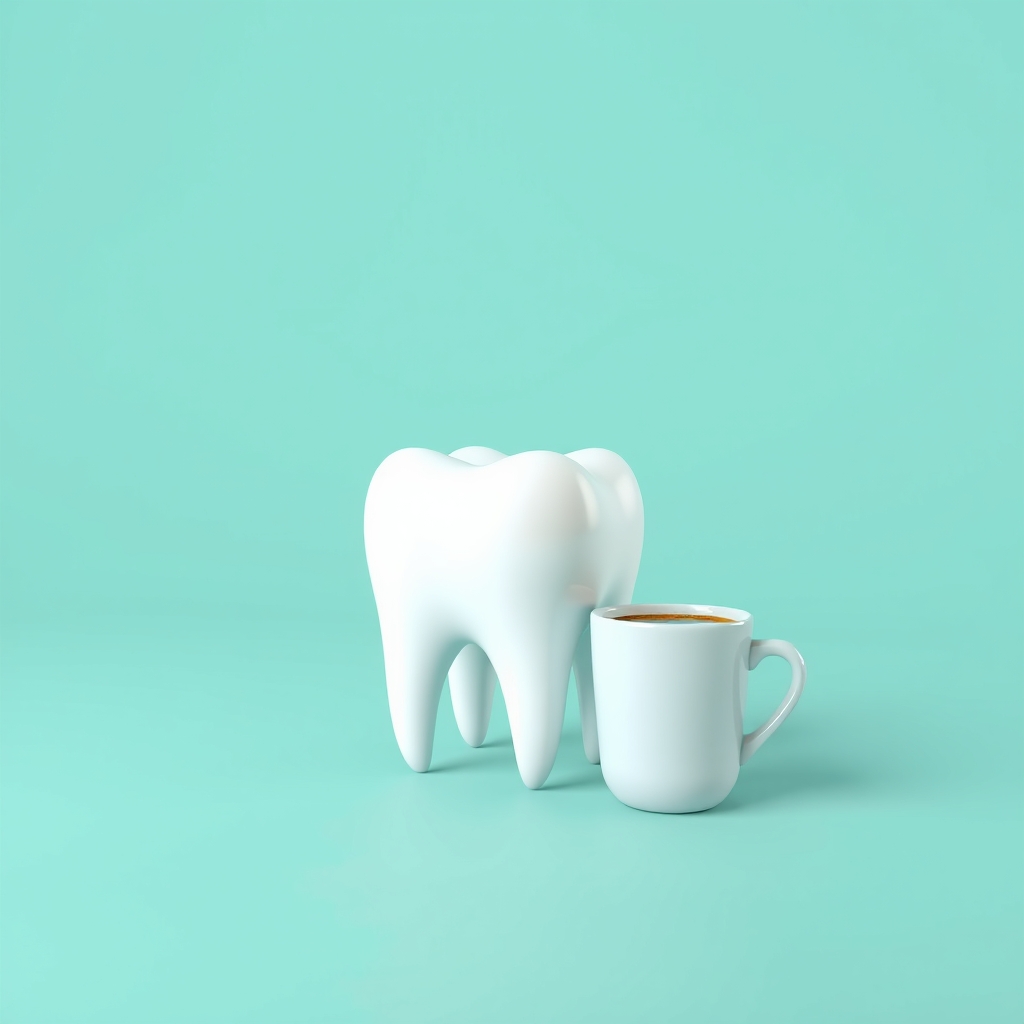
Both contain tannins, natural compounds that cause color pigments to cling to tooth enamel. Regular coffee or tea drinkers often notice a yellow-brown tint building up over months, especially along the gumline and between teeth.
Tobacco Use
Smoking and chewing tobacco are among the strongest contributors to stubborn staining. Tar and nicotine penetrate enamel more deeply than most food stains, often leaving a yellow-brown or even grayish discoloration that is harder to remove with brushing alone.
Certain Medications
Some antibiotics, particularly tetracycline taken during childhood tooth development, can cause internal graying or banding on teeth. Certain antihistamines, blood pressure medications, and mouth rinses with chlorhexidine can also contribute to discoloration in adults.
Aging
As we age, the outer enamel layer naturally thins, allowing the yellowish dentin layer underneath to show through more. This is a normal part of aging and happens to some degree in almost everyone over time.
Other Contributing Factors
- Dark-colored foods like berries, curries, and sauces
- Red wine and cola drinks
- Poor oral hygiene allowing plaque and tartar buildup
- Excess fluoride exposure during childhood (fluorosis)
- Dental trauma that damages internal tooth structure
Daily Habits That Help Prevent Stains
You cannot stop natural aging, but you can significantly slow down surface staining with a few consistent habits.
- Brush twice daily using a soft-bristled brush and fluoride toothpaste, spending at least two minutes each time.
- Rinse with water after drinking coffee, tea, or red wine to reduce pigment contact time.
- Use a straw for staining beverages so liquid bypasses the front teeth.
- Floss daily to remove plaque between teeth before it hardens into tartar, which stains more easily than enamel.
- Limit tobacco use or consider quitting, which benefits both your smile and overall oral health.
- Chew sugar-free gum after meals to stimulate saliva flow, which naturally helps clear away food particles.
- Schedule regular dental cleanings to remove buildup that home brushing cannot reach.
When to See a Dentist
If your teeth appear discolored despite good oral hygiene, or if you notice sudden darkening of a single tooth, it is worth getting checked. A single dark tooth can sometimes indicate internal damage or a dying nerve that needs attention beyond cosmetic concerns.
| Stain Type | Common Cause | Typical Prevention Approach |
|---|---|---|
| Extrinsic | Coffee, tea, tobacco, dark foods | Rinsing, straws, regular brushing and cleanings |
| Intrinsic | Aging, medications, trauma | Professional evaluation, whitening or restorative options |
At Cliniva Dental Clinic in DLF Phase 2, Sector 25, Gurugram, our team can help identify what is causing your discoloration and suggest a suitable approach, whether that means better daily habits, professional cleaning, or a discussion about whitening options.
Have questions about your teeth?
Cliniva Dental Clinic · DLF Phase 2, Sector 25, Gurugram
Frequently asked questions
Can yellow teeth become white again without treatment?
Mild surface stains can improve with better brushing habits and professional cleaning, but deeper discoloration usually needs whitening treatment. Home remedies rarely reverse noticeable yellowing.
Is tooth yellowing always caused by poor hygiene?
No. Aging, genetics, certain medications, and even excess fluoride during childhood can cause discoloration regardless of how well you brush. Hygiene affects surface stains, not deeper structural changes.
Does drinking coffee through a straw reduce staining?
Yes, using a straw for coffee, tea, or cold drinks reduces contact time between the liquid and your front teeth, which can meaningfully lower surface staining over time.
How often should I get a dental cleaning to prevent stains?
Most patients benefit from a professional cleaning every six months. This removes surface stains and tartar buildup before they become harder to treat.
Treatment costs mentioned on this page are indicative ranges for the DLF Phase 2, Gurugram region. Your exact cost depends on your case and will be confirmed after a clinical examination at the clinic.