Can Stress Really Affect Your Teeth and Gums?
Many patients at our DLF Phase 2 clinic come in worried about tooth pain, bleeding gums, or mouth ulcers, only to discover that a stressful stretch at work or home is a major contributing factor. The mouth is surprisingly sensitive to what is going on in the rest of the body, and chronic stress or anxiety can show up as very real, very physical dental problems.
How Stress Shows Up in Your Mouth
When you are under prolonged stress, your body produces higher levels of cortisol and stays in a heightened state of alertness. This affects muscle tension, immune response, and saliva production, all of which play a role in oral health.
Teeth Grinding and Jaw Clenching
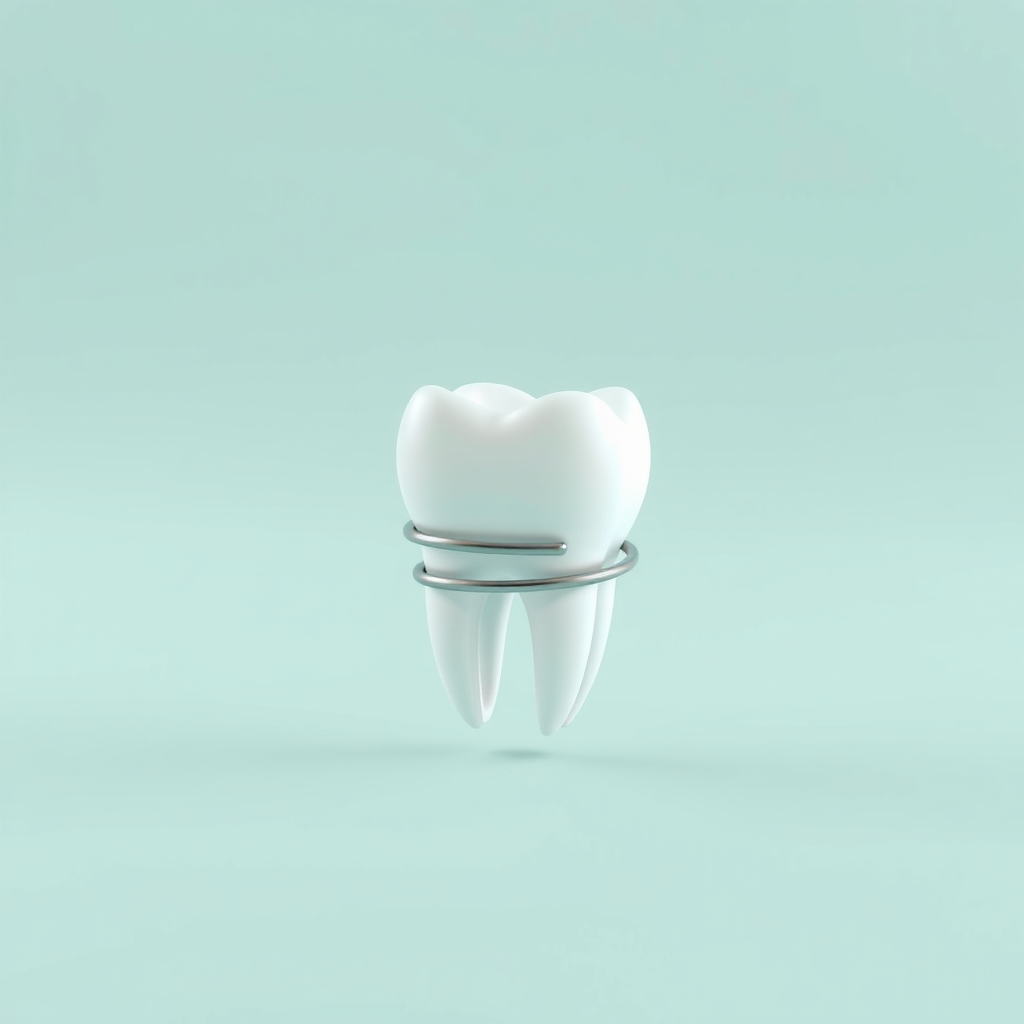
Bruxism, the medical term for grinding or clenching your teeth, is one of the most common stress-related dental issues. Many people grind their teeth at night without realising it, waking up with a sore jaw, headache, or sensitive teeth. Over time, grinding can wear down tooth enamel, cause small cracks, and even loosen teeth or damage existing fillings and crowns.
Canker Sores
Stress is one of the most frequently reported triggers for canker sores, those small, painful white or yellow ulcers that appear inside the cheeks, lips, or on the tongue. While the exact cause is not fully understood, flare ups often coincide with periods of emotional strain, poor sleep, or a weakened immune response.
Gum Disease
Chronic stress can weaken your immune system's ability to fight off the bacteria that cause gum inflammation. Stressed individuals are also more likely to neglect daily brushing and flossing or skip dental visits, which allows plaque to build up. Over time, this increases the risk of gingivitis progressing to more serious periodontal disease.
Dry Mouth
Anxiety can interfere with the nerve signals that control saliva production, leading to a persistently dry or sticky feeling in the mouth. Saliva plays an important protective role by washing away food particles and neutralising acids, so reduced saliva flow can raise your risk of cavities and bad breath.
Why This Matters Long Term
None of these symptoms are usually dangerous on their own, but left unaddressed, they can compound. Worn enamel from grinding becomes more vulnerable to decay. Dry mouth makes gum disease progress faster. Recurrent canker sores can make eating and speaking uncomfortable. Recognising the stress connection early helps you take steps before the damage becomes harder to reverse.
Practical Tips to Protect Your Oral Health
- Ask your dentist about a custom night guard if you suspect you grind your teeth while sleeping.
- Practice relaxation techniques such as deep breathing, light stretching, or a short walk before bed to ease jaw tension.
- Stay consistent with brushing twice daily and flossing once a day, even when you are busy or distracted.
- Sip water throughout the day to help manage dry mouth, especially if you are an anxious person or taking medication known to reduce saliva.
- Avoid excessive caffeine and alcohol during stressful periods, as both can worsen dry mouth.
- Use a soft bristled toothbrush and an alcohol-free mouth rinse if you are prone to canker sores or sensitive gums.
- Keep up with regular dental check ups so early signs of grinding, gum inflammation, or sores can be caught and managed promptly.
When to See a Dentist
If you notice persistent jaw pain, teeth that feel loose or increasingly sensitive, gums that bleed with normal brushing, or canker sores that take longer than two weeks to heal, it is worth booking a dental visit. A professional examination can determine whether stress, an underlying dental issue, or a combination of both is responsible, and guide you toward the right treatment.
| Symptom | Possible Stress Link | Simple First Step |
|---|---|---|
| Jaw soreness or headaches | Teeth grinding or clenching | Night guard, jaw relaxation exercises |
| Mouth ulcers | Weakened immune response | Gentle oral care, soft foods |
| Bleeding or swollen gums | Reduced immune defence, missed oral care | Consistent brushing and flossing |
| Persistent dry mouth | Anxiety affecting saliva flow | Regular water intake, sugar-free gum |
For patients in and around DLF Phase 2, Gurugram, our team at Cliniva Dental Clinic regularly helps people manage these stress-related symptoms with practical, conservative care rather than jumping straight to invasive treatment. If you have noticed any of these changes in your own mouth, a simple check up can go a long way toward relief and prevention.
Have questions about your teeth?
Cliniva Dental Clinic · DLF Phase 2, Sector 25, Gurugram
Frequently asked questions
Can stress cause tooth pain even if there is no cavity?
Yes. Clenching or grinding caused by stress can make teeth feel sore, sensitive, or achy even when there is no decay. This is often called tension-related tooth pain and usually improves once grinding is controlled.
How do I know if my gum problems are stress related?
If your gums have become suddenly more sensitive, bleed more easily, or you have developed mouth sores during a particularly stressful period, stress may be a contributing factor. A dental check up can rule out other causes like plaque buildup or gum disease.
Does anxiety cause dry mouth or is it always medication?
Both can cause it. Anxiety itself can reduce saliva flow through its effect on the nervous system, and many anti-anxiety or antidepressant medications also list dry mouth as a side effect.
Should I see a dentist or a doctor first for stress related mouth symptoms?
Start with a dentist if your main complaints are teeth grinding, mouth sores, or gum changes. They can treat the oral symptoms directly and refer you onward if broader stress management support is needed.
Treatment costs mentioned on this page are indicative ranges for the DLF Phase 2, Gurugram region. Your exact cost depends on your case and will be confirmed after a clinical examination at the clinic.