Sensory-Friendly Dental Care for Children and Adults with Special Needs
Visiting the dentist can feel overwhelming for anyone, but for children and adults with autism, sensory processing differences, or other special needs, bright lights, unfamiliar sounds, and physical touch can make the experience much harder. At Cliniva Dental Clinic in DLF Phase 2, Sector 25, Gurugram, we have shaped our approach around comfort, patience, and clear communication so that every patient can receive the dental care they need without unnecessary stress.
What Makes Dental Care Sensory-Friendly
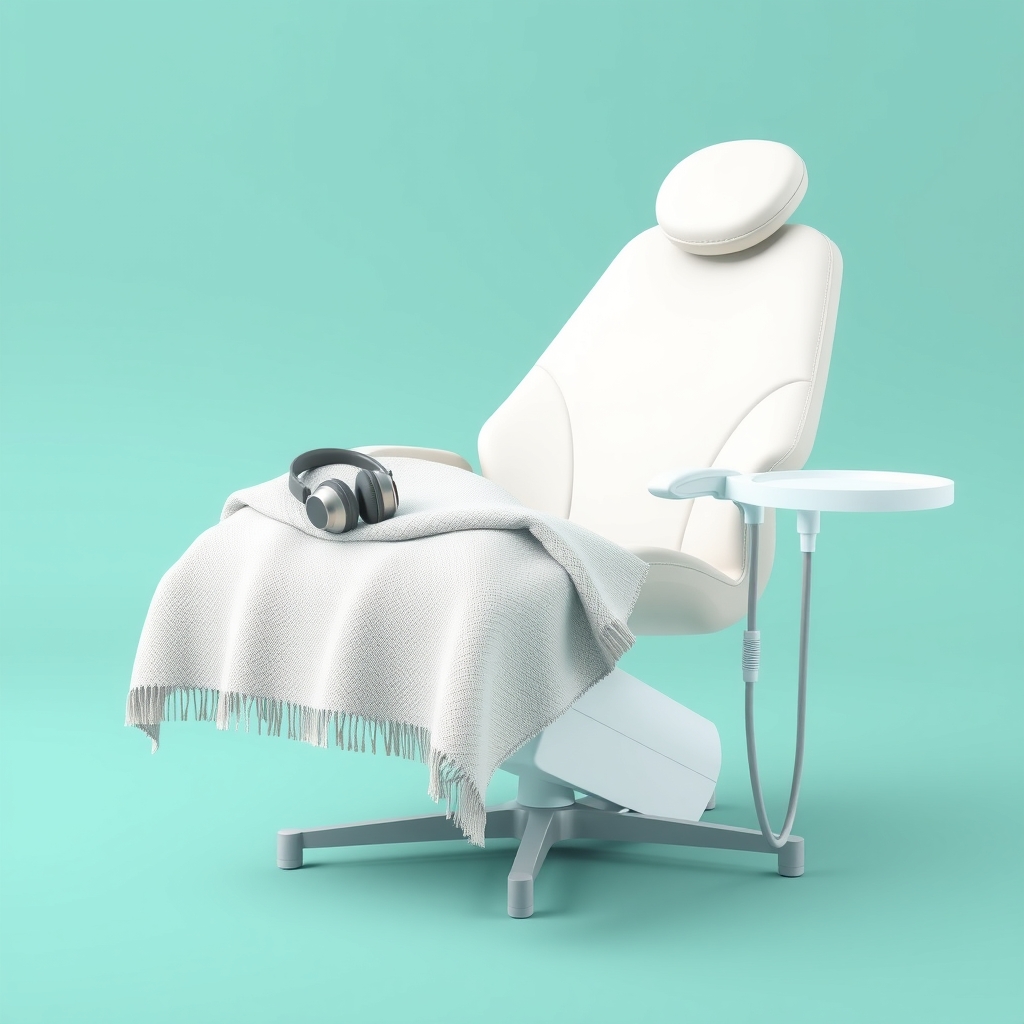
Sensory-friendly dentistry is not a single technique but a combination of small adjustments that reduce overwhelm. These include dimming bright overhead lights, using fewer unfamiliar sounds, allowing extra time between steps, and letting the patient wear headphones, sunglasses, or a weighted blanket if that helps them feel grounded.
- Quiet, uncrowded appointment slots when possible
- Allowing a parent, caregiver, or familiar object in the room
- Breaking procedures into short, predictable steps
- Using the "tell-show-do" method before touching the mouth
- Avoiding sudden movements or unexpected instrument sounds
Communication Techniques We Use
Good communication is the foundation of sensory-friendly care. Our team adapts how we speak and explain things based on each patient's needs and comfort level.
Tell-Show-Do
We describe what will happen in simple words, show the instrument or action on a finger or model first, and only then proceed. This reduces surprises and builds trust over repeated visits.
Visual Supports
For children or adults who respond well to visual cues, we can use simple picture cards or a short visit schedule so the patient knows what to expect next and when the appointment will end.
Caregiver Involvement
Parents and caregivers know the patient best. We rely on their input about triggers, calming strategies, and preferred words or routines, and we welcome them staying close during the visit.
Preparing for the First Visit
A calm first experience sets the tone for future visits. A few steps can help:
- Call ahead so our team can plan a quieter time slot and longer appointment window
- Share details about sensory triggers, communication style, and any medical conditions
- Consider a short "familiarisation visit" with no treatment, just to see the clinic and chair
- Bring a comfort item, headphones, or favourite music if that helps
Some patients benefit from multiple short visits to build comfort with the environment before any actual dental work is attempted.
Sedation Options for Special Needs Patients
For patients who cannot tolerate treatment even with behavioural techniques, sedation may be considered. The choice depends on the person's medical history, anxiety level, and the type of treatment needed. This decision is always made carefully and discussed with caregivers in advance.
| Option | How It Works | Best Suited For |
|---|---|---|
| Nitrous oxide (laughing gas) | Inhaled gas that creates mild relaxation, wears off quickly | Mild to moderate anxiety, cooperative patients |
| Oral sedation | A prescribed medicine taken before the visit to reduce anxiety | Patients needing more calming support than gas alone |
| General anaesthesia (hospital setting) | Patient is fully asleep, usually arranged with a hospital or anaesthesia team | Extensive treatment or patients unable to cooperate at all |
Not every patient needs sedation. Many children and adults with special needs can be treated successfully using only behavioural and sensory-friendly approaches, especially once they become familiar with the clinic over a few visits.
Cost Considerations
Treatment cost depends on the procedures needed and whether sedation is involved. As a general guide for patients in DLF Phase 2, Gurugram, routine check-ups and cleanings under standard conditions are usually in the typical range of a regular dental visit, while sedation-assisted treatment or hospital-based general anaesthesia adds separate anaesthesia and facility charges. We always explain expected costs clearly during the consultation before any treatment begins.
Our Commitment at Cliniva
Every patient deserves dignity, patience, and a dental team willing to adapt. Our clinic in DLF Phase 2, Sector 25, Gurugram works closely with families to create a plan that respects each person's comfort level, whether that means a slower pace, visual aids, or coordinated sedation care. If you are looking for a dentist near DLF Phase 2 who understands sensory sensitivities and special needs, we encourage you to call us and discuss your specific requirements before booking the first visit.
Have questions about your teeth?
Cliniva Dental Clinic · DLF Phase 2, Sector 25, Gurugram
Frequently asked questions
At what age should a child with autism start dental visits?
The same guideline applies as for other children, around the first birthday or when the first tooth appears. Starting early helps your child become familiar with the clinic before any treatment is needed.
Will my child be judged for being anxious or having meltdowns?
No. Our team is trained to understand sensory sensitivities and behavioural differences. We work at the patient's pace and never force treatment that causes distress.
Is sedation safe for patients with special needs?
Sedation can be safe when the right option is chosen after reviewing the patient's full medical history. We discuss benefits and risks with caregivers and, where needed, coordinate with the patient's physician before deciding.
Can adults with special needs also get sensory-friendly care at Cliniva?
Yes. Our sensory-friendly approach is used for both children and adults, including those with autism, intellectual disabilities, or sensory processing difficulties.
Treatment costs mentioned on this page are indicative ranges for the DLF Phase 2, Gurugram region. Your exact cost depends on your case and will be confirmed after a clinical examination at the clinic.