Dental Space Maintainers for Children: A Parent's Guide
Losing a baby tooth is usually a normal, happy milestone for a child. But when a tooth is lost too early, because of decay, an accident, or infection, it can create a problem that is not always obvious to parents. This is where a dental space maintainer can help. If your child has recently lost a tooth earlier than expected, here is what you should know before your next visit to a dentist in DLF Phase 2, Gurugram.
What Is a Dental Space Maintainer?
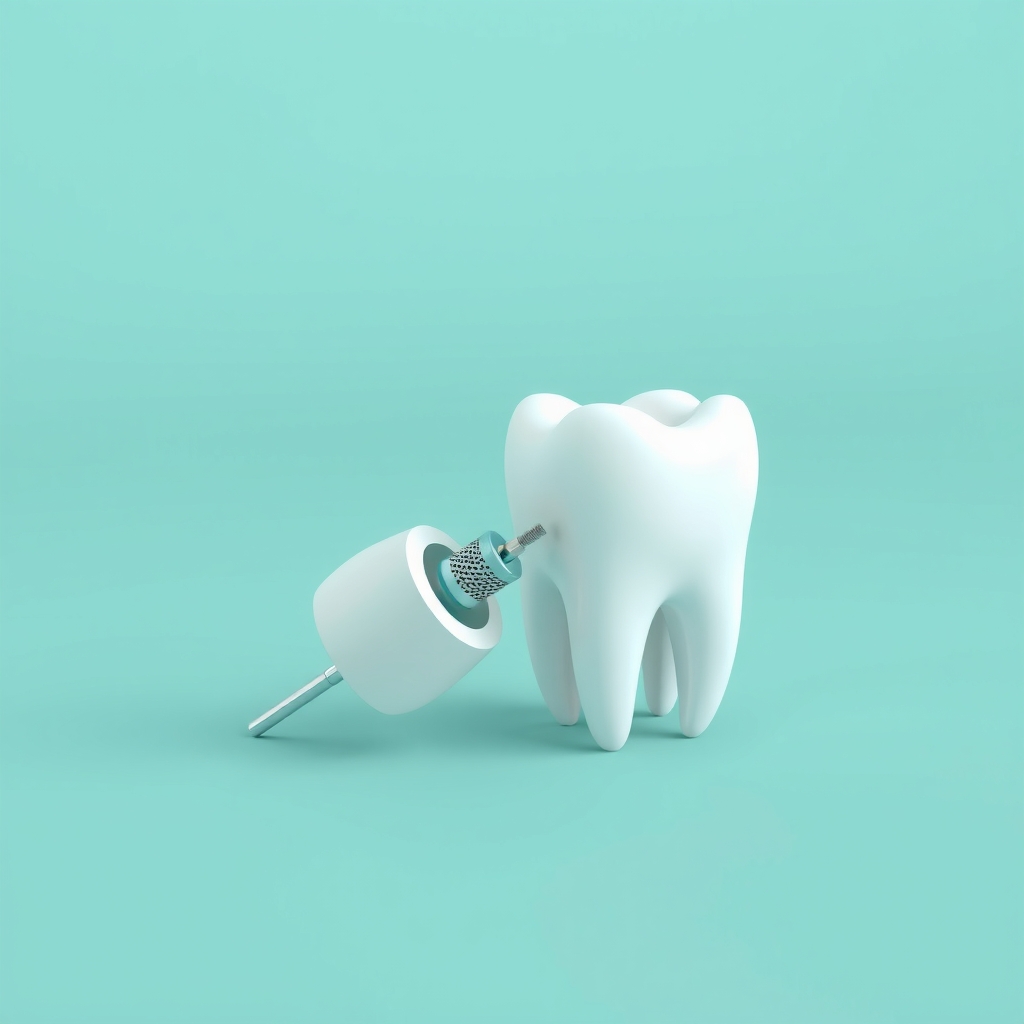
A space maintainer is a small custom-made appliance, usually made of metal or a combination of metal and acrylic, that holds open the gap left by a prematurely lost baby tooth. Baby teeth act as natural placeholders for the permanent teeth growing underneath the gums. When a baby tooth falls out too soon, neighbouring teeth can tilt or drift into the empty space. This leaves too little room for the permanent tooth to come through in the right position.
A space maintainer simply holds that space steady until the permanent tooth is ready to erupt naturally.
When Does a Child Need One?
Not every early tooth loss requires a space maintainer. The decision depends on the child's age, which tooth was lost, and how long it will be before the permanent tooth is expected to arrive. Generally, a space maintainer is recommended when:
- A baby molar is lost well before the permanent tooth beneath it is due, since molars hold the most space in the jaw.
- There is visible early drifting or tilting of the neighbouring teeth.
- The child has lost a tooth due to a cavity, injury, or early extraction rather than natural shedding.
Front baby teeth lost early usually do not need a space maintainer, since they have little effect on bite alignment. Your dentist will usually confirm the need with a clinical exam and sometimes a dental X-ray.
Types of Space Maintainers
There are a few different designs, and your dentist will choose based on whether one tooth or several are missing, and on which side of the mouth.
Band and Loop Maintainer
This is the most common type, used when a single baby molar is lost on one side. A metal band is fitted around the neighbouring tooth, with a loop of wire extending across the gap to prevent the adjacent teeth from shifting.
Distal Shoe Maintainer
Used when the first permanent molar has not yet erupted, this appliance has a small metal extension that sits slightly below the gum line to guide the new molar into its correct position.
Lingual or Transpalatal Arch
If teeth are missing on both sides of the lower or upper jaw, this fixed appliance connects across the back teeth to prevent them from moving inward or shifting position.
Removable Space Maintainers
These look similar to a small retainer with an artificial tooth attached. They can be taken out for cleaning, but they require good cooperation from the child since they must be worn consistently to work.
| Type | Best For | Removable? |
|---|---|---|
| Band and Loop | Single missing molar, one side | No |
| Distal Shoe | First molar not yet erupted | No |
| Lingual/Transpalatal Arch | Missing teeth on both sides | No |
| Removable Appliance | Multiple missing teeth, cooperative child | Yes |
What to Expect at the Clinic
The process is usually simple and comfortable for children. At Cliniva Dental Clinic, we first examine the gap and take an X-ray if needed to check how the permanent tooth is developing underneath. An impression or digital scan of the teeth is taken so the appliance can be custom made to fit. Fitting the maintainer usually takes one short visit and does not require anaesthesia in most cases.
Parents should bring their child back for periodic check-ups so we can monitor the appliance and remove it at the right time once the permanent tooth starts to come through.
Caring for a Space Maintainer
- Avoid sticky foods like chewing gum, toffees, and caramel.
- Encourage gentle brushing around the appliance twice a day.
- Avoid pushing or playing with the appliance using fingers or tongue.
- Keep regular dental appointments so we can check it has not loosened.
Typical Cost in DLF Phase 2, Gurugram
Costs depend on the type of appliance, the material used, and the number of teeth involved. As a general guide, a simple band and loop maintainer typically ranges from around 3,000 to 7,000 INR, while more complex appliances covering multiple teeth can fall in a typical range of 6,000 to 12,000 INR. These are general estimates only. Your dentist will give you an accurate cost after examining your child at our DLF Phase 2, Gurugram clinic.
If your child has lost a tooth early, it is best not to wait. Call Cliniva Dental Clinic at +91 98103 71228 to schedule a check-up and find out if a space maintainer is needed.
Have questions about your teeth?
Cliniva Dental Clinic · DLF Phase 2, Sector 25, Gurugram
Frequently asked questions
Will my child need the space maintainer forever?
No. It is a temporary appliance. It stays in place only until the permanent tooth is ready to come in, then your dentist removes it.
Can my child eat normally with a space maintainer?
Yes, most children adjust within a few days. We advise avoiding very sticky or hard foods like chewing gum and hard candy that could dislodge the appliance.
What happens if we skip the space maintainer?
Neighbouring teeth can drift into the gap, which may block the permanent tooth from erupting properly and often leads to crowding that needs orthodontic treatment later.
How do I know if my child actually needs one?
Not every early tooth loss needs a space maintainer. It depends on which tooth was lost and how much time is left before the permanent tooth is due. An X-ray and dental check at our DLF Phase 2 clinic will confirm this.
Treatment costs mentioned on this page are indicative ranges for the DLF Phase 2, Gurugram region. Your exact cost depends on your case and will be confirmed after a clinical examination at the clinic.