Sinus Infections, Allergies, and Upper Tooth Pain: What's Really Going On?
Waking up with pain in your upper back teeth can be confusing. Is it a cavity, a cracked tooth, or something else entirely? For many patients who visit us from DLF Phase 2 and nearby parts of Gurugram, the answer turns out to be neither. It is a sinus infection or an allergy flare-up, not a dental problem at all. Understanding why this happens can save you an unnecessary dental procedure, or help you recognise when you genuinely do need to see a dentist.
Why Sinus Problems Cause Tooth Pain
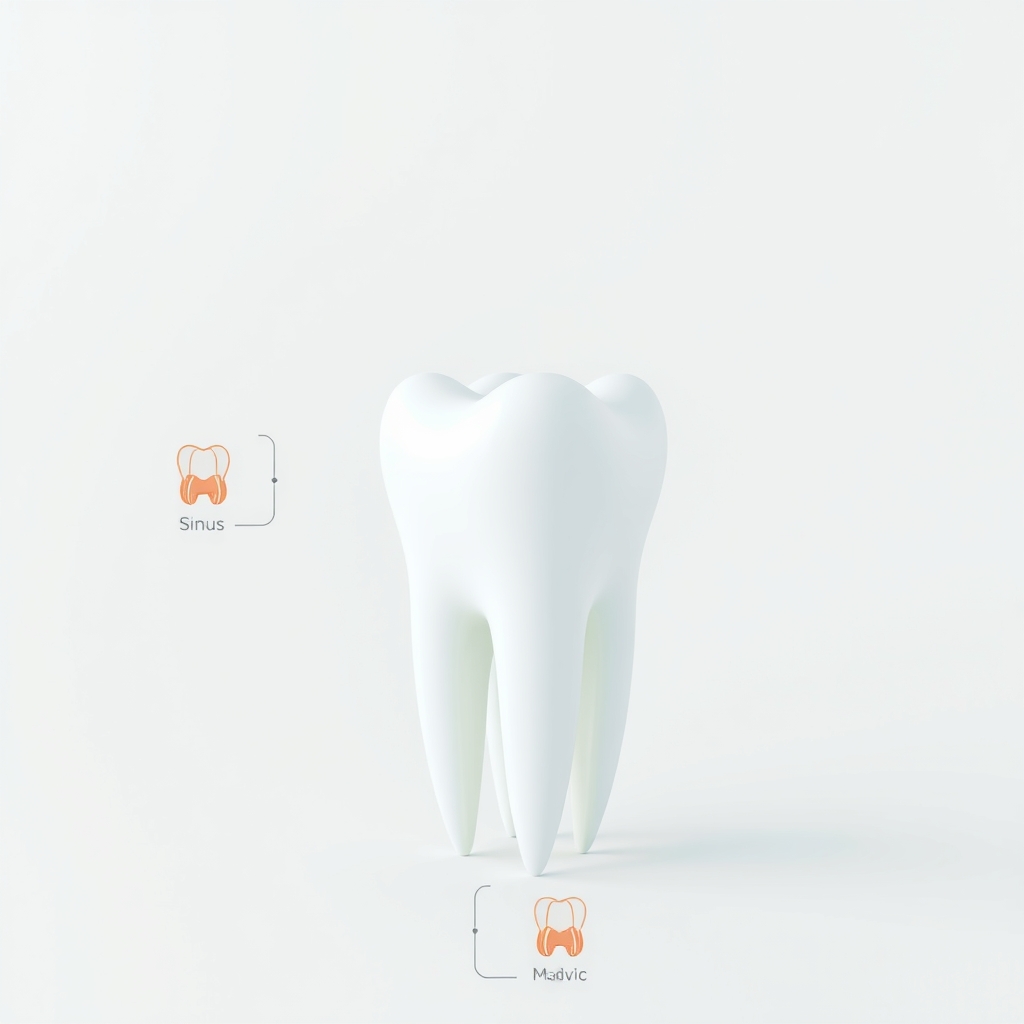
Your maxillary sinuses, the air-filled spaces behind your cheekbones, sit directly above the roots of your upper back teeth. In many people, only a thin layer of bone separates the sinus floor from the tooth roots. When the sinus lining becomes swollen due to infection, allergies, or a cold, it presses against these roots. The result feels almost exactly like a toothache, even though the teeth themselves are perfectly healthy.
This is called referred pain. The nerves in the sinus and the nerves in the upper teeth are closely connected, and the brain can struggle to tell the two apart.
Common Triggers
- Acute sinus infections (sinusitis) following a cold or flu
- Seasonal allergies causing chronic nasal congestion
- Sudden changes in air pressure, such as during air travel or a flight descent
- Chronic sinus inflammation lasting several weeks
Signs It's Likely Sinus or Allergy Related
Sinus-related tooth pain has a few telltale patterns that differ from a true dental issue.
- Multiple teeth hurt at once, usually the upper molars and premolars on one or both sides, rather than a single tooth
- Pain worsens when you bend forward, lie down, or lower your head, since this shifts pressure in the sinuses
- You also have nasal congestion, facial pressure, a runny or blocked nose, or a mild headache
- The teeth are not sensitive to hot or cold in the way a cavity or infected tooth typically is
- Pain came on gradually alongside a cold or allergy season, rather than suddenly after eating or biting down
Signs It's a True Dental Problem
Certain symptoms point away from the sinuses and toward the teeth or gums themselves.
- Only one tooth hurts, and you can usually point to it
- Sharp pain when biting, chewing, or when the tooth is tapped
- Strong sensitivity to hot, cold, or sweet foods that lingers after the stimulus is gone
- Visible swelling of the gum, a pimple-like bump, or a bad taste from a discharging area
- A cracked, chipped, or visibly decayed tooth
- No cold, allergy, or congestion symptoms present
| Clue | Points to Sinus/Allergy | Points to Dental Problem |
|---|---|---|
| Number of teeth affected | Several, in a row | Usually just one |
| Position change | Worse bending or lying down | No real change |
| Other symptoms | Blocked nose, facial pressure | Gum swelling, bad taste |
| Response to biting | Usually mild or unaffected | Often sharp, localised pain |
| Hot/cold sensitivity | Typically absent | Often present and lingers |
What You Can Do Before Booking an Appointment
If your symptoms match the sinus pattern, over-the-counter decongestants, saline nasal rinses, or antihistamines (as advised by a physician) often bring relief within a few days. Tooth pain that fades as congestion clears is a strong sign the sinuses were the real cause.
However, do not wait indefinitely if you are unsure. A dental check up is quick and can rule out decay, a cracked tooth, or an early abscess, especially if pain is sharp, localised, or accompanied by swelling. At Cliniva Dental Clinic in DLF Phase 2, Sector 25, Gurugram, we can examine the tooth, take an X-ray if needed, and tell you clearly whether the problem is dental or likely related to your sinuses, saving you from guessing.
When to See a Dentist Promptly
- Pain is confined to one tooth and does not improve with decongestants
- You notice swelling in the face or gums
- There is fever along with dental pain
- Pain is severe enough to disturb sleep or eating
- Symptoms persist beyond one to two weeks despite treating a cold or allergy
Upper tooth pain with no obvious dental cause is common and often harmless once you understand where it is coming from. Paying attention to whether one tooth or several are involved, and whether nasal symptoms are present, usually gives you a strong clue even before you see anyone.
Have questions about your teeth?
Cliniva Dental Clinic · DLF Phase 2, Sector 25, Gurugram
Frequently asked questions
Can allergies alone cause tooth pain without any infection?
Yes. Allergic rhinitis causes sinus lining swelling and mucus buildup, which puts pressure on the roots of the upper back teeth even without an infection. The pain usually eases once nasal congestion is treated.
Why does sinus-related tooth pain affect multiple teeth at once?
The maxillary sinus sits right above the roots of several upper back teeth, so pressure inside it presses on more than one tooth at a time. A true dental problem, like decay or an abscess, almost always points to just one tooth.
Should I see a dentist or a doctor first for upper tooth pain with congestion?
If you have clear cold or allergy symptoms alongside the tooth pain, starting with a physician or ENT for the sinus issue is reasonable. If the pain persists after congestion clears, or if there is swelling, a broken tooth, or pain when chewing, see a dentist promptly.
Can a dentist tell if my tooth pain is from a sinus problem?
Yes. Dentists can examine the teeth, test them for decay or infection, and take an X-ray if needed to rule out dental causes. If everything looks normal, it points strongly toward a sinus or allergy origin, and referral for ENT evaluation may be suggested.
Treatment costs mentioned on this page are indicative ranges for the DLF Phase 2, Gurugram region. Your exact cost depends on your case and will be confirmed after a clinical examination at the clinic.