Orthodontic Retainers: Types, Wear Time, and Care After Braces or Aligners
Finishing braces or aligner treatment is a big moment, but the work is not quite done. Retainers are what keep your teeth in their new, straighter positions. Skipping them or using them incorrectly is one of the most common reasons teeth shift back after treatment. This guide explains the types of retainers, how long you should wear them, and how to keep them clean and undamaged.
Why Retainers Are Necessary
After braces or aligners move your teeth, the bone and gum tissue around them need time to stabilise in the new positions. Without a retainer, teeth can gradually drift back towards their original spots, sometimes within just a few months. Wearing a retainer as advised protects the results you worked hard to achieve.
Types of Orthodontic Retainers
Removable Clear Retainers
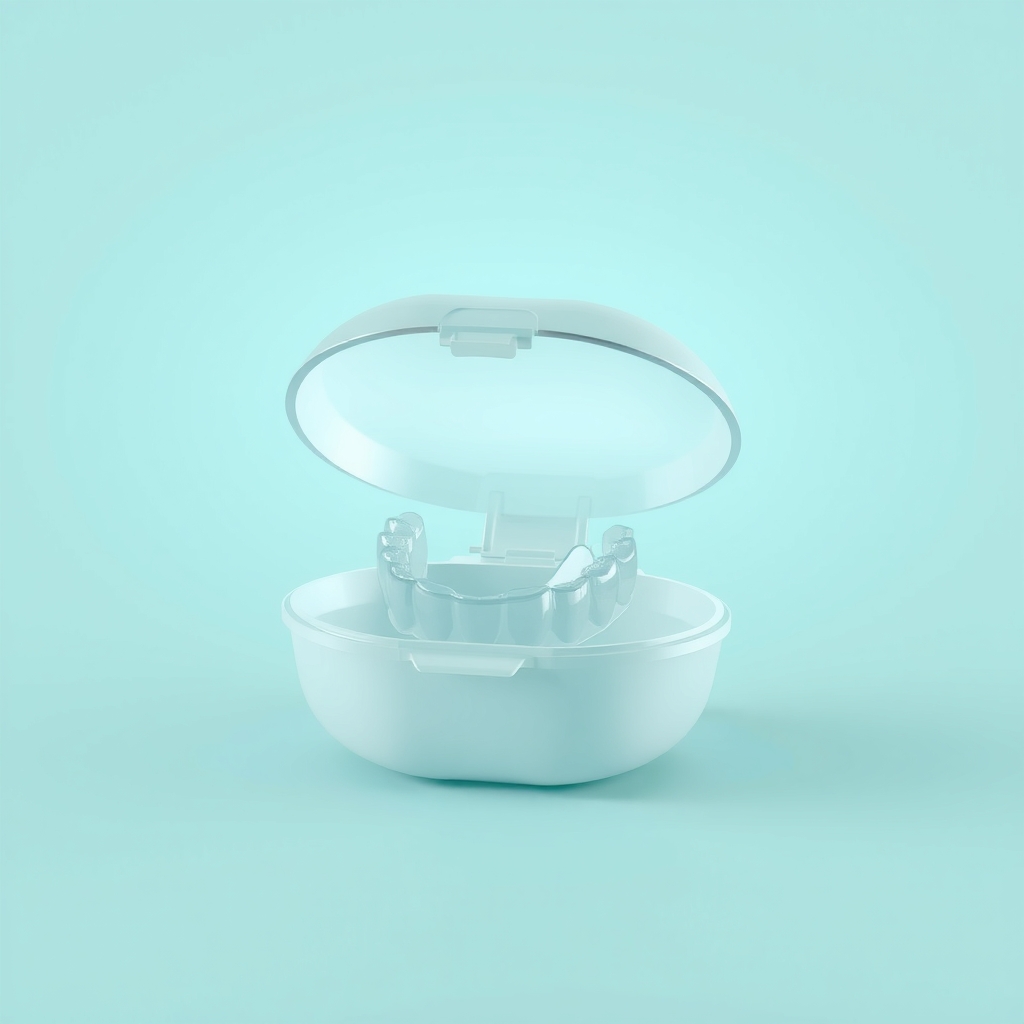
These are thin, clear plastic trays that look similar to aligners. They fit snugly over your teeth and are easy to remove for eating and cleaning. They are popular because they are nearly invisible, though they can wear out faster than wire types and may need periodic replacement.
Removable Wire (Hawley) Retainers
These have a acrylic base that sits against the roof of the mouth or behind the lower teeth, with a thin metal wire across the front teeth. They are sturdy, long-lasting, and can often be adjusted slightly by your dentist if needed.
Fixed (Bonded) Retainers
A fixed retainer is a thin wire bonded to the back of the front teeth, usually the lower ones. It stays in place permanently unless removed by a dentist. Since you cannot take it out, there is no risk of forgetting to wear it, but it does require careful cleaning around the wire.
| Retainer Type | Visibility | Typical Durability |
|---|---|---|
| Clear removable | Very low | 1-3 years |
| Hawley (wire) removable | Moderate | 3-5 years |
| Fixed bonded wire | Low (behind teeth) | Several years if undamaged |
How Long Should You Wear a Retainer?
Wear schedules vary from patient to patient, but a general pattern often looks like this:
- First 3 to 6 months: Full-time wear, removing only to eat, drink, and clean your teeth.
- Next several months to a year: Night-time wear only, as advised by your dentist.
- Long term: Many people continue wearing retainers at night a few times a week indefinitely to maintain results, especially since teeth can shift slowly even years after treatment.
Fixed retainers are worn continuously since they cannot be removed, but they still need regular dental check-ups to confirm the wire is intact.
Cleaning and Maintaining Removable Retainers
- Rinse your retainer with water every time you remove it.
- Brush it gently with a soft toothbrush and mild soap or a non-abrasive denture cleaner. Avoid regular toothpaste, as it can scratch clear plastic.
- Soak it a few times a week in a retainer cleaning solution or a mix of lukewarm water and mild soap, following the product instructions.
- Never use hot water, as it can warp the plastic or acrylic.
- Store it in its case whenever it is out of your mouth to avoid loss or damage, including from pets.
- Keep it away from tissues and napkins, since it is easy to accidentally throw away.
Caring for Fixed Retainers
Fixed retainers need a slightly different approach since the wire is bonded in place:
- Use a floss threader or interdental brush to clean under the wire daily.
- Brush gently around the wire without excessive pressure that could dislodge it.
- Avoid biting hard or sticky foods directly with your front teeth, as this can loosen the bonding.
- If the wire feels loose, sharp, or comes away from a tooth, contact your dentist rather than trying to fix it yourself.
Signs You Should See Your Dentist
- Your retainer feels tight or does not fit the way it used to.
- You notice cracks, discoloration, or a bad smell that does not go away with cleaning.
- A fixed retainer wire feels loose or is poking your tongue or cheek.
- You have gone without wearing your removable retainer for more than a few days.
Getting Retainer Care Right in DLF Phase 2, Gurugram
Retainers are a small daily habit that protects years of orthodontic effort. Patients in DLF Phase 2, Sector 25, Gurugram completing braces or aligner treatment at Cliniva Dental Clinic receive personalised guidance on which retainer suits them and how long to wear it. Regular check-ups help make sure your retainer still fits well and your smile stays exactly where it should be.
Have questions about your teeth?
Cliniva Dental Clinic · DLF Phase 2, Sector 25, Gurugram
Frequently asked questions
Can I switch from full-time to night-only wear on my own?
It is best to let your orthodontist guide this change. Everyone's teeth settle at a different pace, and switching too early can allow shifting. Your dentist will check your teeth and tell you when night-only wear is safe.
What happens if I lose my retainer?
Contact your dental clinic as soon as possible. Teeth can begin shifting within days to weeks without a retainer, so a replacement or temporary fix should be arranged quickly.
Can I eat or drink with my retainer in?
Removable retainers should be taken out before eating or drinking anything other than plain water. This prevents damage, staining, and food particles getting trapped against your teeth.
How long do retainers actually last?
Removable retainers usually last two to five years with good care, though clear plastic ones may need replacing sooner due to wear. Fixed wire retainers can last many years if not damaged.
Treatment costs mentioned on this page are indicative ranges for the DLF Phase 2, Gurugram region. Your exact cost depends on your case and will be confirmed after a clinical examination at the clinic.