Overbite, Underbite, and Crossbite: Understanding Bite Misalignment
Many parents and adults notice that teeth do not quite meet properly, but are not sure what the issue is called or whether it needs attention. Overbite, underbite, and crossbite are three common types of bite misalignment, and each affects the teeth and jaw differently. Understanding these differences can help you decide when to seek an orthodontic opinion, whether for yourself or your child, here in DLF Phase 2, Gurugram.
What Is a Normal Bite?
In a healthy bite, the upper front teeth sit slightly in front of the lower front teeth, and the upper back teeth slightly overlap the lower back teeth. When teeth do not align this way, it is called malocclusion, a general term covering several types of bite problems.
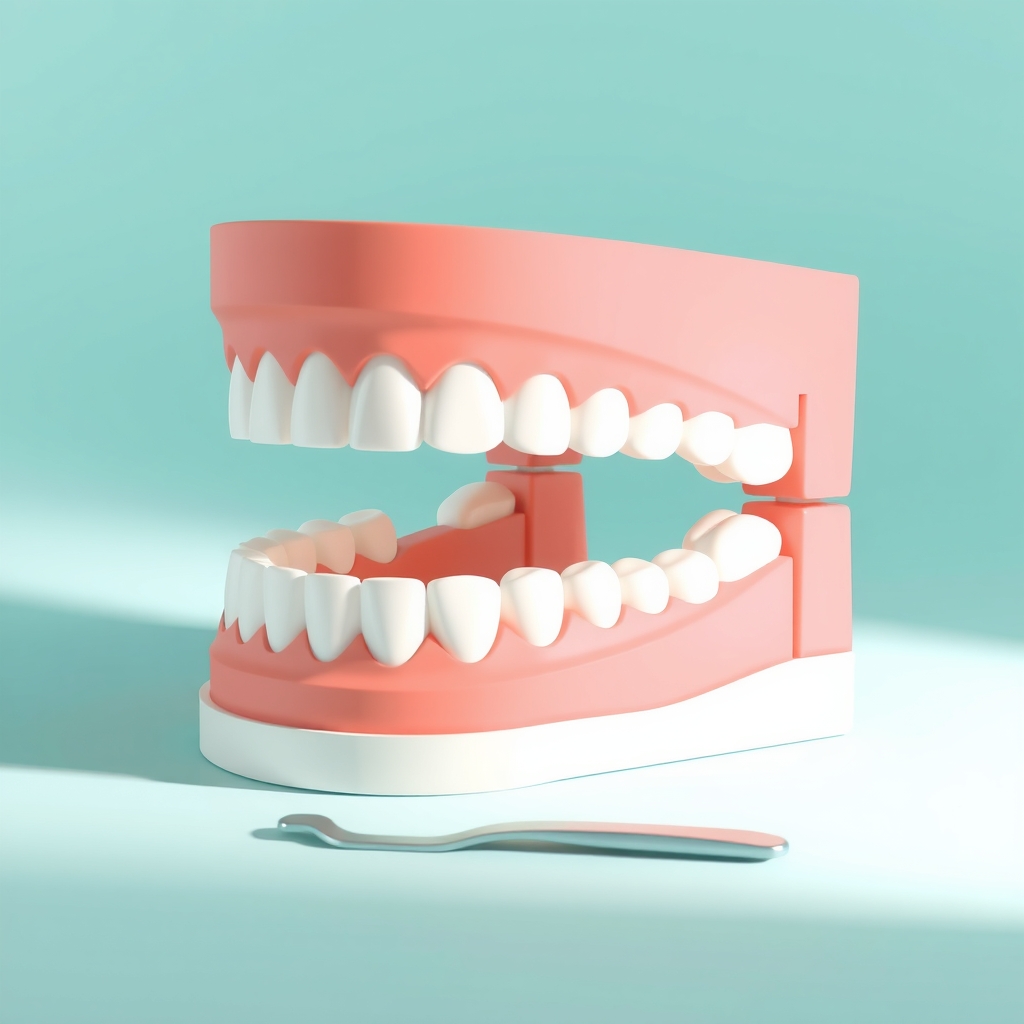
Overbite: When Upper Teeth Sit Too Far Forward
An overbite happens when the upper front teeth extend significantly over the lower front teeth. A small amount of overlap is normal, but a deep overbite can cause the lower teeth to bite into the roof of the mouth or gums.
Signs to Watch For
- Upper teeth almost completely covering lower teeth when biting down
- Difficulty closing the lips comfortably
- Jaw pain or clicking sounds
- Worn down lower front teeth over time
Underbite: When Lower Teeth Sit Too Far Forward
An underbite is the reverse situation, where the lower jaw and teeth extend beyond the upper front teeth. This often gives the lower jaw a more prominent appearance and can affect chewing and speech.
Signs to Watch For
- Lower teeth visible in front of upper teeth when smiling or resting
- A noticeably protruding chin or lower jaw
- Trouble biting into foods like apples or sandwiches
- Speech sounds that seem slightly altered, such as lisping
Crossbite: When Teeth Do Not Align Side to Side
A crossbite occurs when one or more upper teeth sit inside the lower teeth instead of outside, either at the front or on one side of the mouth. It can affect just a few teeth or the entire arch.
Signs to Watch For
- Teeth that appear to meet unevenly on one side
- Face appearing slightly asymmetrical
- Jaw shifting to one side when biting down
- Uneven wear on specific teeth
Spotting Early Signs in Children
Children often show early clues before all permanent teeth erupt. Watch for prolonged thumb sucking, mouth breathing, difficulty chewing certain foods, or a jaw that seems to shift when closing. Baby teeth that fall out unevenly or crowding in the front teeth can also signal a developing bite issue. Early evaluation, ideally around age 7, allows guidance of jaw growth while bones are still developing, often simplifying later treatment.
Spotting Early Signs in Adults
In adults, bite problems are usually more established and may show up as jaw joint discomfort, headaches, uneven tooth wear, or difficulty with certain foods. Some adults also notice gum recession on specific teeth due to uneven pressure from a misaligned bite.
Treatment Options
Treatment depends on the type and severity of the misalignment, as well as the patient's age.
- Braces: Metal or ceramic braces remain a reliable option for correcting overbites, underbites, and crossbites by gradually repositioning teeth and, in children, guiding jaw growth.
- Clear aligners: Suitable for mild to moderate cases in teenagers and adults who prefer a less visible option.
- Palatal expanders: Often used in growing children to widen a narrow upper jaw, particularly helpful for crossbites.
- Retainers: Used after active treatment to maintain the corrected bite position.
- Surgical orthodontics: Reserved for severe skeletal discrepancies in adults where jaw bones, not just teeth, need repositioning.
| Bite Type | Common Cause | Typical Age to Address |
|---|---|---|
| Overbite | Jaw growth pattern, thumb sucking | Childhood for easiest correction |
| Underbite | Lower jaw overgrowth, genetics | Childhood to early teens ideally |
| Crossbite | Narrow upper jaw, tooth eruption pattern | Early childhood for best results |
Costs for bite correction vary widely depending on complexity and the appliance used. In DLF Phase 2, Gurugram, the typical range for basic orthodontic evaluation and treatment planning starts modestly, while comprehensive braces or aligner treatment involves a broader typical range depending on duration and case severity. A detailed assessment is the only way to get an accurate estimate for your specific bite issue.
If you have noticed any of these signs in yourself or your child, a professional evaluation can clarify exactly what type of bite misalignment is present and which treatment path makes the most sense.
Have questions about your teeth?
Cliniva Dental Clinic · DLF Phase 2, Sector 25, Gurugram
Frequently asked questions
Can bite problems get better on their own without treatment?
Mild bite issues rarely self-correct, especially once permanent teeth erupt. Some childhood habits causing misalignment can be managed early, but structural bite problems usually need orthodontic guidance to prevent worsening.
At what age should my child be checked for bite problems?
Most dental associations recommend a first orthodontic check-up by age 7. This allows early detection of overbite, underbite, or crossbite while jaw growth can still be guided more easily.
Is it too late to correct my bite as an adult?
No. Many adults successfully correct bite misalignment with braces, clear aligners, or in some cases combined orthodontic-surgical treatment. Treatment may simply take a bit longer than in children.
Does a crossbite always need surgery?
Not always. Many crossbites, especially in children, are corrected with expanders or braces alone. Surgery is typically reserved for severe skeletal cases diagnosed in adulthood.
Treatment costs mentioned on this page are indicative ranges for the DLF Phase 2, Gurugram region. Your exact cost depends on your case and will be confirmed after a clinical examination at the clinic.