How Tongue, Lip, and Cheek Piercings Affect Your Teeth and Gums
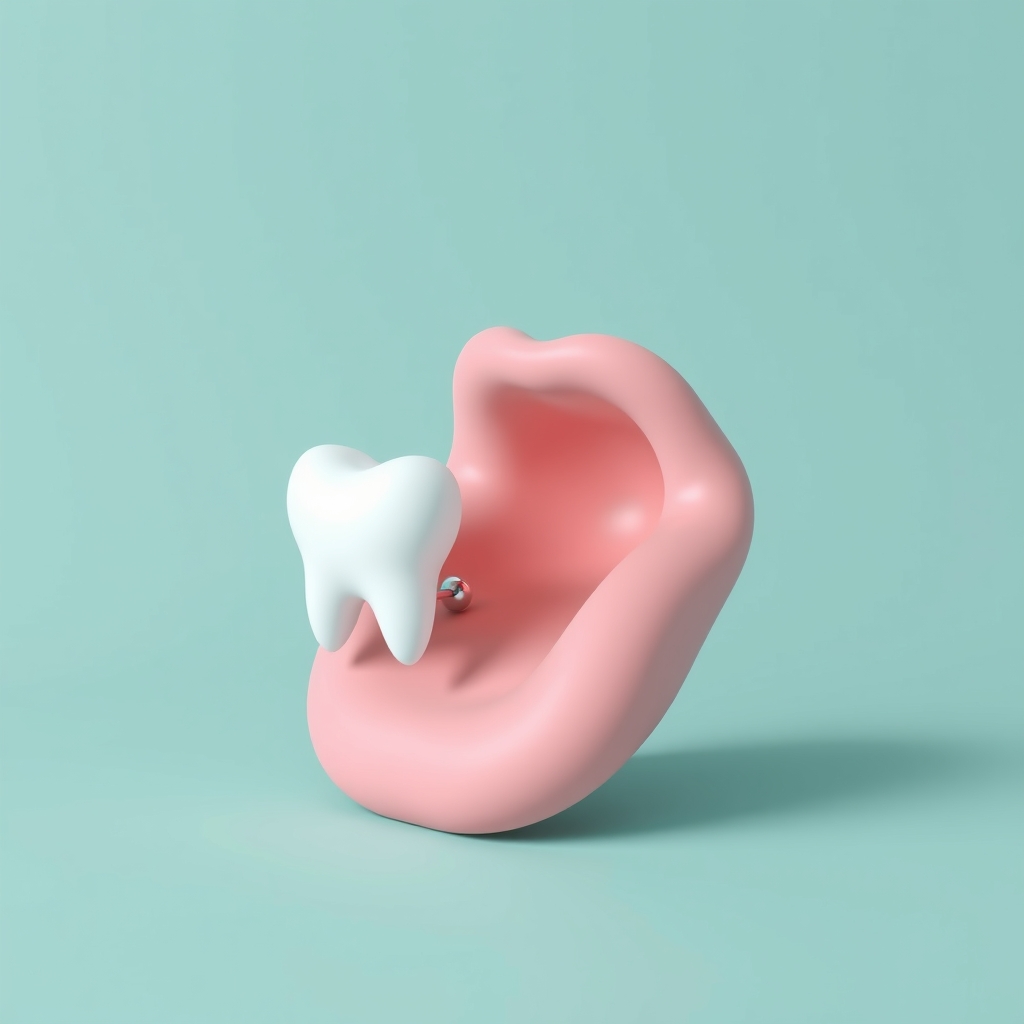
Tongue, lip, and cheek piercings are a popular way to express personal style, but they sit very close to teeth, gums, and delicate oral tissue. Because the mouth is constantly moving, chewing, and producing saliva, oral piercings behave differently from ear or nose piercings. At Cliniva Dental Clinic in DLF Phase 2, Gurugram, we regularly see patients with piercing-related concerns, and this article explains what to watch for.
Why the Mouth Is a Sensitive Place for Piercings
The tongue, lips, and inner cheeks are covered in soft, thin tissue with a rich blood supply. This means piercings here tend to heal reasonably fast, but it also means the jewellery is in constant contact with tooth enamel, gum tissue, and the inside of your cheeks every time you talk, chew, or swallow.
Common Effects on Teeth and Gums
- Chipped or cracked teeth: Metal barbells clicking against teeth repeatedly can weaken and eventually fracture enamel, especially on the front lower teeth.
- Gum recession: Lip and tongue jewellery can rub against the gum line, causing it to wear away over time. Receding gums expose tooth roots and increase sensitivity.
- Excess saliva and speech changes: A tongue piercing often increases saliva production initially and can affect speech until you adjust to it.
- Tooth wear from habitual play: Many people unconsciously click, twist, or bite the jewellery, which speeds up damage to teeth over months or years.
Infection and Swelling Risks
The mouth carries a large amount of bacteria, so any fresh piercing site is vulnerable to infection in the first days after the procedure. Signs to watch for include:
- Increasing redness, warmth, or pus at the piercing site
- Swelling that does not improve after the first week
- Fever or a bad taste that does not go away
- Difficulty swallowing or breathing, which needs emergency care immediately
Tongue swelling right after piercing can occasionally be significant enough to affect breathing, which is why some people are advised to have piercings done where medical help is nearby, and to avoid it altogether if they have certain health conditions.
Long-Term Risks to Be Aware Of
| Piercing Site | Possible Oral Health Effect |
|---|---|
| Tongue | Chipped teeth, gum recession on lower front teeth, speech changes |
| Lip | Gum recession, enamel wear on nearby teeth, gum irritation |
| Cheek | Irritation of inner cheek tissue, risk of infection, jewellery rubbing on back teeth |
Safety Tips If You Are Considering an Oral Piercing
- Choose a licensed, experienced piercer who follows sterile procedures.
- Ask about jewellery material. Titanium or surgical steel with a smaller barbell design tends to cause less tooth contact than large metal balls.
- Keep the area clean using an alcohol-free antibacterial mouth rinse as advised by your piercer or dentist.
- Avoid playing with the jewellery using your teeth or tongue.
- Visit your dentist for a check-up before getting pierced, especially if you already have gum sensitivity or crowded teeth.
Tips for People Already Wearing Oral Jewellery
- Switch to a shorter or smaller barbell once initial swelling has gone down, since a snug fit reduces movement against teeth and gums.
- Rinse your mouth after eating to reduce bacteria around the piercing.
- Have your dentist check the area at your routine dental visit so early gum recession or enamel wear can be caught before it becomes serious.
- Remove jewellery during sports or physical activity to avoid accidental injury to teeth or soft tissue.
When to See a Dentist
Book an appointment if you notice a chipped tooth, gum recession, ongoing sensitivity, or a piercing site that seems infected. Regular dental check-ups are the easiest way to keep an eye on how a piercing is affecting your teeth and gums over time.
If you live around DLF Phase 2, Gurugram, and have questions about an oral piercing or notice any changes in your teeth or gums, the team at Cliniva Dental Clinic is happy to take a look and guide you. Call +91 98103 71228 to schedule a visit.
Have questions about your teeth?
Cliniva Dental Clinic · DLF Phase 2, Sector 25, Gurugram
Frequently asked questions
Is it safe to get a tongue or lip piercing at all?
There is no completely risk-free way to pierce oral tissue, since it involves breaking through skin or mucosa that stays in constant contact with saliva, food, and teeth. Many people wear oral piercings for years without major issues, but the risk of gum recession, chipped teeth, or infection is real. If you choose to go ahead, pick an experienced, licensed piercer, keep the area very clean, and see your dentist regularly to catch problems early.
How long does swelling last after a tongue piercing?
Tongue swelling is usually most noticeable in the first 3 to 5 days and should steadily improve over 1 to 2 weeks. Severe swelling that affects breathing or swallowing needs urgent medical attention right away.
Can a lip or tongue piercing be removed if it is damaging my teeth?
Yes. If your dentist notices gum recession, enamel wear, or a cracked tooth linked to a piercing, removing or switching to a smaller, softer jewellery type often stops further damage. It will not reverse existing gum recession or chips, so it is best to act as soon as issues are spotted.
Do I need to tell my dentist I have an oral piercing?
Yes. Let your dentist know so they can check the piercing site during routine exams, look for early gum recession or wear on nearby teeth, and guide you on cleaning or jewellery choices suited to your mouth.
Treatment costs mentioned on this page are indicative ranges for the DLF Phase 2, Gurugram region. Your exact cost depends on your case and will be confirmed after a clinical examination at the clinic.