Dental Risks of Tongue, Lip, and Cheek Piercings and How to Care for Them Safely
Oral piercings on the tongue, lip, or cheek are a personal style choice, and many people wear them for years without major issues. However, the mouth is a delicate environment full of soft tissue, teeth, and bacteria, so it is worth understanding the dental risks before getting pierced, or knowing how to protect your teeth and gums if you already have one. At Cliniva Dental Clinic in DLF Phase 2, Gurugram, we regularly see patients with piercing-related dental concerns, and most problems are preventable with the right care.
Common Dental Risks of Oral Piercings
The jewellery used in tongue, lip, and cheek piercings is hard metal that sits close to your teeth and gums. Over time, this constant contact can lead to several problems.
Chipped or Cracked Teeth
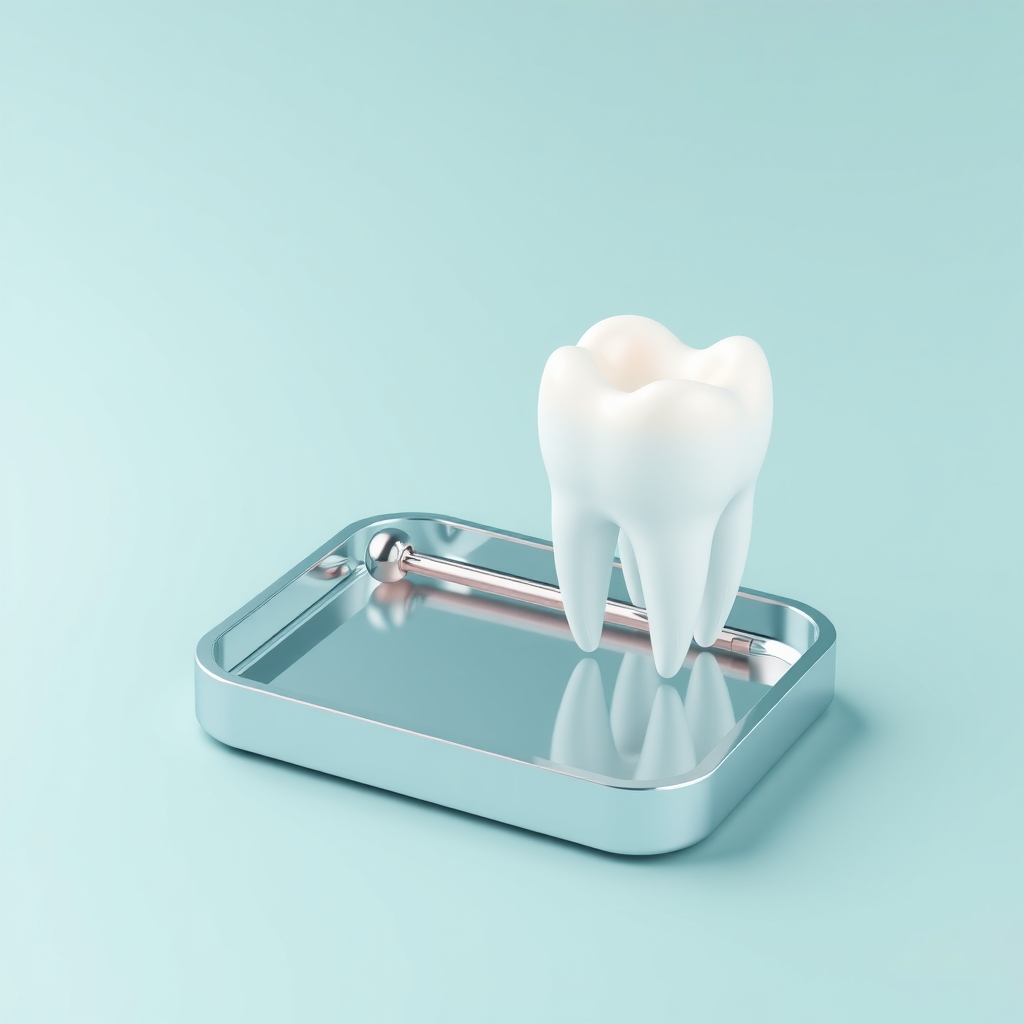
A tongue or lip barbell can knock against teeth thousands of times a day through talking, eating, and unconscious habits like clicking the jewellery against your teeth. This repeated contact can chip enamel or even crack a tooth, sometimes without you noticing until the damage is significant.
Gum Recession
Lip and cheek piercings often rest against the gum line on the inside of the mouth. The jewellery can rub against gum tissue, causing it to wear away and expose the tooth root. Receded gums do not grow back on their own and can lead to sensitivity and a higher risk of tooth decay near the root.
Infection and Swelling
The mouth carries a high bacterial load, and a fresh piercing is essentially an open wound. Swelling, especially with tongue piercings, can be severe enough in the first few days to affect breathing or swallowing in rare cases. Infection can also spread to surrounding tissue if not managed carefully.
Other Concerns
- Excessive drooling or difficulty speaking while healing
- Nerve damage causing numbness or altered taste
- Interference with X-rays or dental treatment if not removed
- Choking risk if the jewellery loosens and is swallowed or inhaled
- Chronic sore spots on the inside of the cheek or lip
How to Care for an Oral Piercing Safely
If you already have or are planning an oral piercing, these steps can help protect your dental health.
Choose the Right Jewellery
Ask your piercer about shorter barbells once initial swelling goes down. A snug fit reduces the amount of movement against your teeth and gums. Titanium or niobium jewellery is generally better tolerated than lower quality metals.
Keep the Area Clean
Rinse your mouth with an alcohol-free antiseptic mouthwash or warm salt water several times a day, especially after eating, during the healing period. Brush your teeth gently but thoroughly, and clean the jewellery itself as advised by your piercer.
Watch Your Habits
Try to avoid playing with the piercing using your tongue or teeth, biting down on it, or clicking it against your teeth. These habits are often unconscious but are a major cause of chips and cracks over time.
Get Regular Dental Checkups
Routine dental visits allow your dentist to catch early signs of gum recession, enamel wear, or tooth movement before they become serious. Mention your piercing so it can be checked specifically during your exam.
Know When to See a Dentist Urgently
| Warning Sign | Possible Concern |
|---|---|
| Chipped or sharp-edged tooth | Enamel or structural damage |
| Gum tissue pulling away from a tooth | Gum recession from jewellery friction |
| Persistent swelling, pus, or fever | Possible infection |
| Loose or wobbly jewellery | Choking or swallowing risk |
Making an Informed Decision
Oral piercings are not automatically harmful, but they do carry real dental risks that grow over months and years of wear. If you are a patient in or around DLF Phase 2, Gurugram, and are considering a piercing, or already have signs of tooth or gum damage, it helps to speak with a dentist first. A quick check can identify how your bite, tooth alignment, and gum health may interact with the piercing, so you can make a more informed choice and keep both your smile and your style intact.
Have questions about your teeth?
Cliniva Dental Clinic · DLF Phase 2, Sector 25, Gurugram
Frequently asked questions
Are tongue piercings more dangerous than lip or cheek piercings?
Tongue piercings tend to carry higher risk because the barbell constantly touches teeth and gums during speaking, chewing, and swallowing. Lip and cheek piercings mainly affect the gums and teeth they rest against, but all three types can cause damage over time.
How long does it take for an oral piercing to heal?
Tongue piercings usually take about 4 to 6 weeks to heal, while lip and cheek piercings can take a few weeks longer due to more swelling. Keeping the area clean and avoiding irritation speeds up healing.
Can I keep my piercing if I already have a chipped tooth or receding gums?
If you already have damage, it is best to see a dentist before deciding. In many cases switching to a shorter or softer barbell, or removing the jewellery, can prevent further harm to the same tooth or gum area.
What should I do if my piercing site looks infected?
Contact a dentist or doctor promptly if you notice increasing swelling, pus, fever, or spreading redness. Do not try to treat a suspected infection with home remedies alone, as it can spread quickly in the mouth.
Treatment costs mentioned on this page are indicative ranges for the DLF Phase 2, Gurugram region. Your exact cost depends on your case and will be confirmed after a clinical examination at the clinic.