Gum Disease and Heart Disease: Understanding the Connection
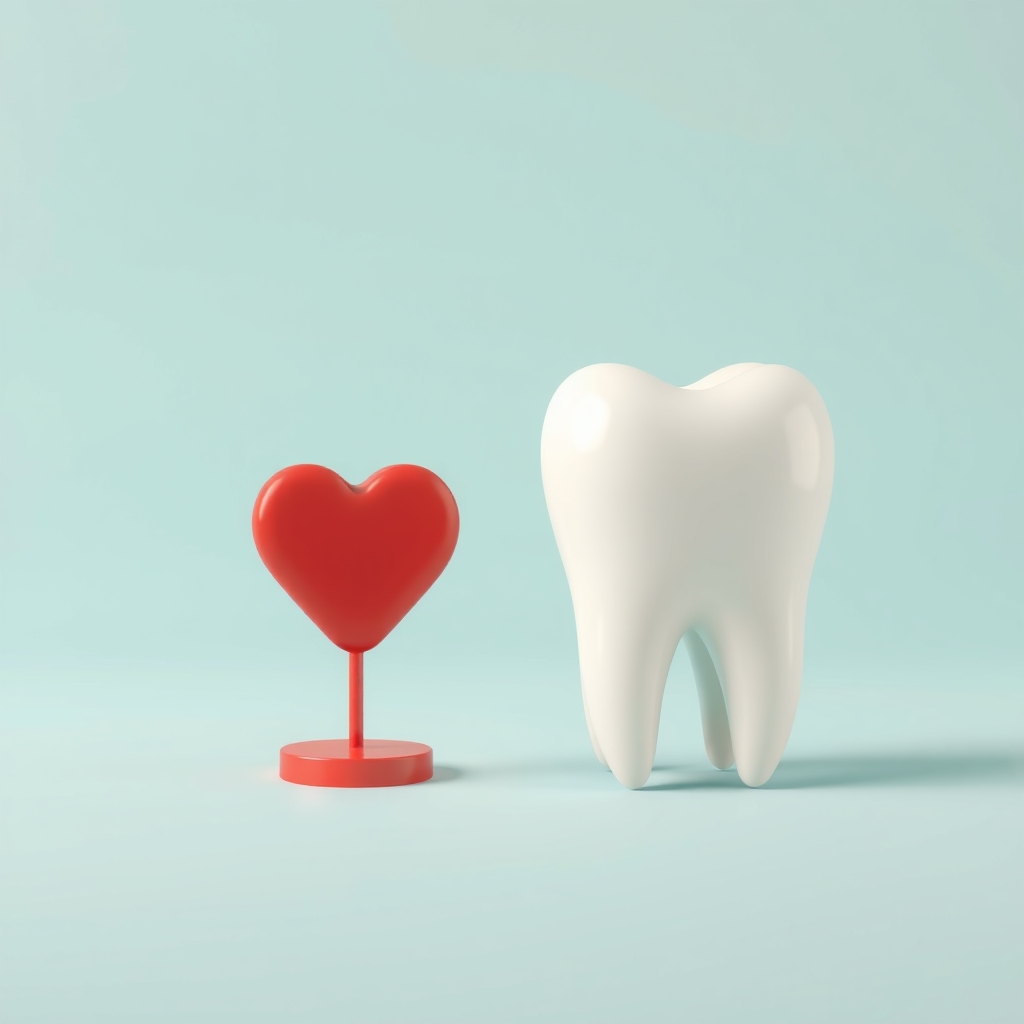
Many patients are surprised to learn that the health of their gums can be connected to the health of their heart. Over the past two decades, researchers have found a consistent link between gum disease, also called periodontal disease, and an increased risk of cardiovascular problems. At Cliniva Dental Clinic in DLF Phase 2, Sector 25, Gurugram, we often discuss this connection with patients because understanding it can motivate better daily habits and more regular dental visits.
What Is Gum Disease?
Gum disease begins when plaque, a sticky film of bacteria, builds up along the gumline. In its early stage, called gingivitis, gums become red, swollen, and may bleed during brushing. If untreated, it can progress to periodontitis, a more serious condition where the infection damages the bone and tissue supporting the teeth, sometimes leading to tooth loss.
The Science Behind the Gum-Heart Connection
Researchers believe there are a few possible explanations for why gum disease and heart disease often appear together:
- Chronic inflammation: Gum disease causes ongoing inflammation in the body. Inflammation is also a known contributor to the buildup of plaque in blood vessels, a process linked to heart attacks and strokes.
- Bacteria entering the bloodstream: Oral bacteria from infected gums can enter the bloodstream through inflamed tissue. Some studies have found these same bacteria in the arterial plaques of people with heart disease.
- Shared risk factors: Smoking, diabetes, poor diet, and stress all increase the risk of both gum disease and heart disease, which may partly explain why the two conditions often occur together.
It is important to understand that gum disease does not directly cause heart disease. Rather, scientific studies, including research published in cardiology and dental journals, show a meaningful association that cannot be ignored.
Who Should Be Extra Cautious
Certain patients should pay closer attention to this connection:
- People with a family history of heart disease
- Patients with diabetes, since it affects both gum healing and heart health
- Smokers, as tobacco use worsens both conditions
- Older adults, since both gum disease and cardiovascular risk increase with age
Protecting Your Oral and Heart Health Together
The good news is that many of the same habits that protect your gums also support your heart.
Daily Habits That Help
- Brush twice daily with a fluoride toothpaste, holding the brush at a slight angle toward the gumline
- Floss once a day to remove plaque between teeth where a brush cannot reach
- Avoid smoking and limit sugary foods and drinks
- Manage blood sugar levels carefully if you have diabetes
- Eat a balanced diet rich in vegetables, fruits, and whole grains
Professional Care Matters
Regular dental check-ups allow early detection of gum disease before it progresses. A professional cleaning removes hardened plaque, called tartar, that cannot be removed by brushing alone. If gum disease is already present, your dentist may recommend deep cleaning, also known as scaling and root planing, to help the gums heal.
| Stage | Signs | Typical Approach |
|---|---|---|
| Gingivitis | Red, swollen, bleeding gums | Improved hygiene, professional cleaning |
| Early Periodontitis | Gum recession, mild bone loss | Scaling and root planing, closer monitoring |
| Advanced Periodontitis | Loose teeth, deep gum pockets | Specialised periodontal treatment, possible surgery |
What This Means for Patients in DLF Phase 2, Gurugram
Busy work schedules and city living can make it easy to delay dental visits. However, since gum health may reflect broader health patterns, regular check-ups are a simple way to stay proactive. At Cliniva Dental Clinic, we assess gum health as part of every routine visit and discuss any concerns that may be relevant to your overall wellbeing, always working alongside guidance from your physician for heart-related conditions.
Taking care of your gums is a small daily habit that may support more than just your smile. If it has been a while since your last dental check-up, now is a good time to schedule one and take a proactive step toward both oral and overall health.
Have questions about your teeth?
Cliniva Dental Clinic · DLF Phase 2, Sector 25, Gurugram
Frequently asked questions
Does gum disease directly cause heart attacks?
No single study proves direct causation. Research shows a strong association, and gum disease is considered a risk factor that may contribute to cardiovascular problems alongside others like smoking, high blood pressure, and diabetes.
Can treating gum disease lower my heart disease risk?
Treating gum disease reduces inflammation and bacterial load in the mouth, which many researchers believe supports overall cardiovascular health, though it should not replace standard heart disease prevention and treatment.
How often should I get my gums checked?
Most adults benefit from a dental check-up and cleaning every six months. If you have risk factors like diabetes, smoking, or a family history of heart disease, your dentist may recommend more frequent visits.
What are the early signs of gum disease I should watch for?
Bleeding while brushing or flossing, red or swollen gums, persistent bad breath, and gums that seem to be pulling away from teeth are early warning signs worth getting checked.
Treatment costs mentioned on this page are indicative ranges for the DLF Phase 2, Gurugram region. Your exact cost depends on your case and will be confirmed after a clinical examination at the clinic.