How Nail Biting Affects Your Teeth and Jaw (And How to Stop)
Nail biting feels like a small, harmless habit, something people do while watching TV, studying, or sitting through a stressful meeting. But if you have been biting your nails for years, your teeth and jaw may be quietly paying the price. At Cliniva Dental Clinic in DLF Phase 2, Gurugram, we often spot the signs of chronic nail biting during routine check-ups long before patients mention the habit themselves.
How Nail Biting Damages Your Teeth
Teeth are strong, but they are designed for biting food, not constant pressure from a hard, uneven surface like a fingernail. Repeated biting can lead to several problems over time.
Chipped and Cracked Teeth
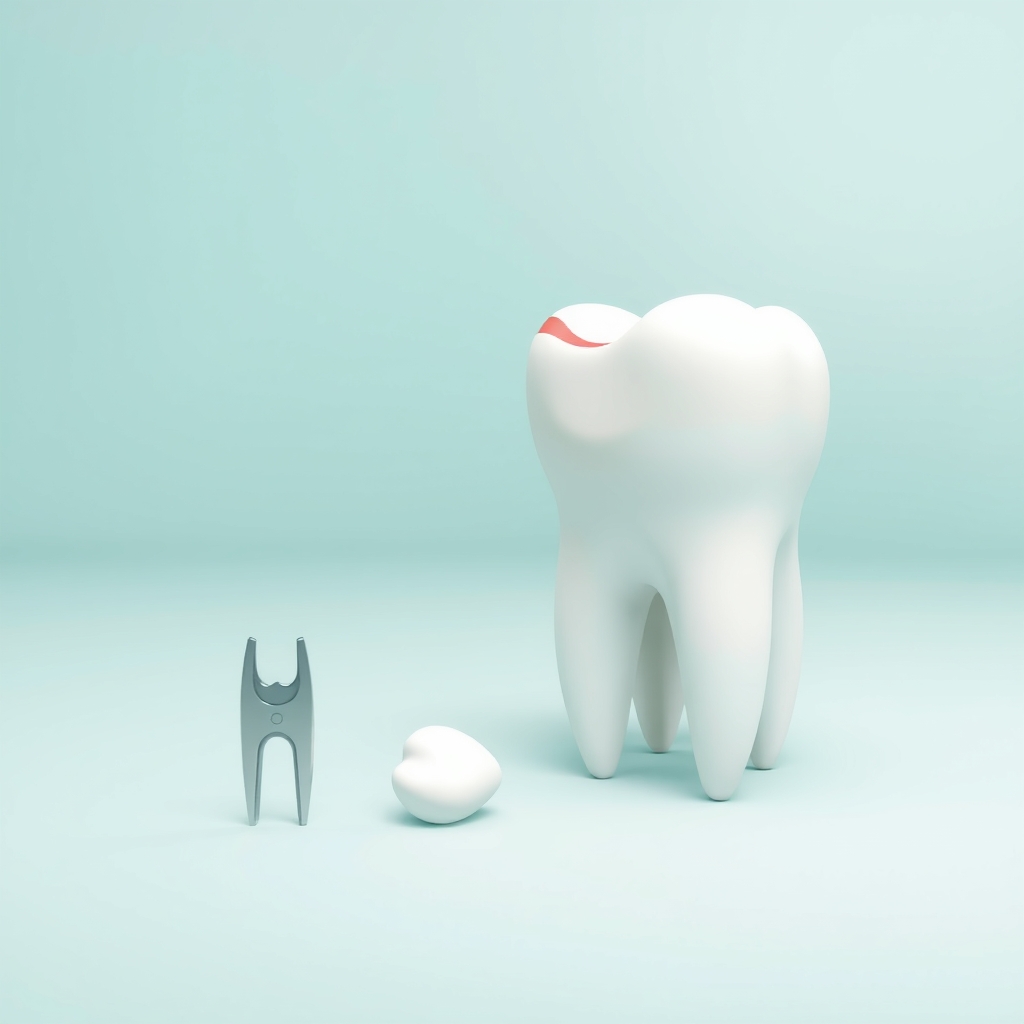
The front teeth, especially the lower incisors, take most of the pressure during nail biting. Over months and years, this can cause small chips along the biting edge or hairline cracks that are not always visible but can make teeth sensitive.
Enamel Wear
Enamel is the hard outer layer that protects your teeth, but it is not indestructible. The constant friction from nail biting gradually wears it down, especially at the edges of the front teeth. Once enamel wears away, it does not grow back, which can leave teeth looking shorter, uneven, or more prone to sensitivity to hot and cold.
Shifting Teeth and Bite Changes
In some people, especially those who started the habit young, repeated pressure on specific teeth can gradually push them slightly out of position. This is more likely in children whose teeth and jawbone are still developing, but adults are not completely immune either.
The Jaw Joint Connection
Many people do not realise that nail biting involves holding the jaw in an unusual, often tense position for extended periods. This repetitive strain affects the temporomandibular joint, or TMJ, the hinge that connects your jaw to your skull.
- Jaw clicking or popping when opening the mouth wide
- Soreness or tightness near the ears, especially after long nail-biting sessions
- Headaches that seem to start near the jaw or temples
- Difficulty opening the mouth comfortably in the morning
If nail biting is combined with other habits like teeth grinding or clenching, the strain on the jaw joint can add up over time and become harder to manage.
Gum Health and Infection Risk
Fingernails carry bacteria, dirt, and whatever your hands have touched during the day, even after washing. When you bite your nails, some of that bacteria transfers directly into your mouth, right near your gums.
This can lead to:
- Minor cuts or tears in the gum tissue around the front teeth from sharp nail edges
- Localised gum irritation or swelling near frequently bitten areas
- A higher chance of mouth infections if the skin around the nail is broken or infected
- Introducing new bacteria that can disturb the natural balance in your mouth
Over time, repeated small injuries to the gums can make them more sensitive and prone to bleeding, which is worth mentioning at your next dental visit.
Practical Tips to Break the Habit
Stopping a long-term habit takes patience, but small, consistent steps usually work better than trying to quit cold turkey.
- Keep nails trimmed short. There is simply less to bite, which reduces the temptation.
- Try a bitter-tasting nail polish. These are widely available and give an unpleasant taste the moment you bite, helping break the automatic reflex.
- Identify your triggers. Many people bite nails during stress, boredom, or concentration. Noticing the pattern helps you catch yourself sooner.
- Keep your hands busy. A stress ball, fidget tool, or even doodling can redirect the urge.
- Treat hangnails and rough edges promptly. Rough nails often invite more biting, so a basic manicure routine can help.
- Set small goals. Aim for a few bite-free days at a time rather than expecting instant, permanent change.
When to See a Dentist
If you have been a long-term nail biter, it is worth getting your teeth checked even if nothing feels painful yet. Many early signs of wear or small chips are easier to manage when caught early. At Cliniva Dental Clinic in DLF Phase 2, Sector 25, Gurugram, we can assess your enamel, bite, and gum health, and advise whether any restorative treatment or a simple protective approach is needed.
You can reach us at +91 98103 71228 to book a check-up and get a clear picture of how the habit may have affected your dental health so far.
Have questions about your teeth?
Cliniva Dental Clinic · DLF Phase 2, Sector 25, Gurugram
Frequently asked questions
Can nail biting really chip a tooth?
Yes. The front teeth are thin and sharp, and repeatedly pressing hard keratin against them under pressure can cause small chips or cracks, especially in teeth that already have fillings or are slightly weak.
Is it too late to fix damage from years of nail biting?
Usually not. Many cases involve minor wear or small chips that can be smoothed, bonded, or restored. A dental check-up at our DLF Phase 2 clinic can tell you exactly what your teeth need.
Does nail biting affect children's teeth differently than adults?
Children's jaws and bite are still developing, so the habit can influence how the front teeth align over time. Adults mostly see wear, chips, and gum irritation rather than alignment changes.
What is the fastest way to stop biting nails?
There is no overnight fix, but combining a physical barrier like bitter-tasting polish with stress management and keeping nails trimmed short tends to work faster than willpower alone.
Treatment costs mentioned on this page are indicative ranges for the DLF Phase 2, Gurugram region. Your exact cost depends on your case and will be confirmed after a clinical examination at the clinic.