Understanding Malocclusion: Types, Causes and Treatment Options
If your upper and lower teeth do not meet the way they should when you bite down, you may have a condition called malocclusion. It is one of the most common reasons patients in DLF Phase 2, Gurugram visit a dentist for an opinion on braces or aligners. Malocclusion is rarely an emergency, but understanding which type you have helps you make an informed decision about treatment.
What Is Malocclusion?
Malocclusion simply means a misaligned bite. It can involve the position of individual teeth, the shape of the jaw, or both. Some cases are barely noticeable and cause no problems, while others affect chewing, speech, jaw comfort, or the appearance of the smile.
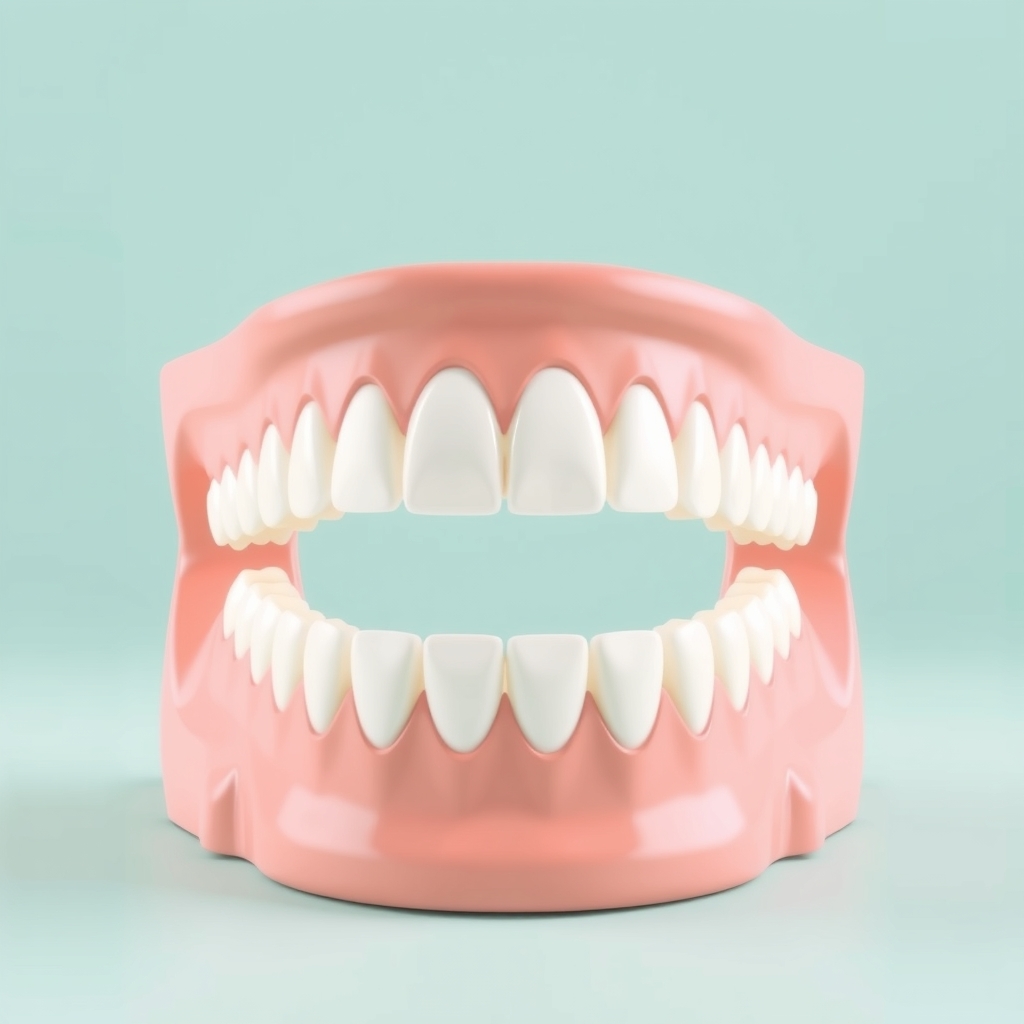
Common Types of Malocclusion
Overbite
An overbite happens when the upper front teeth extend too far over the lower front teeth. A small amount of overlap is normal, but an excessive overbite can cause the lower teeth to bite into the roof of the mouth or wear down front teeth unevenly over time.
Underbite
In an underbite, the lower jaw sits ahead of the upper jaw, so the lower front teeth sit in front of the upper teeth. This can affect chewing efficiency and sometimes gives the lower jaw a more prominent appearance.
Crossbite
A crossbite occurs when some upper teeth sit inside the lower teeth instead of outside, either on one side of the mouth or both. It can affect a single tooth or several, and often develops due to narrow jaw arches or delayed loss of baby teeth.
Open Bite
With an open bite, the upper and lower front teeth do not touch at all when the back teeth are closed together, leaving a visible gap. This can make it difficult to bite into food properly and sometimes affects speech clarity.
What Causes Malocclusion?
Malocclusion can develop from a mix of genetic and habitual factors, including:
- Inherited jaw size or shape differences between upper and lower jaws
- Prolonged thumb sucking or pacifier use in early childhood
- Tongue thrusting habits during swallowing
- Early loss of baby teeth, causing surrounding teeth to shift
- Extra, missing, or unusually shaped teeth
- Mouth breathing due to blocked nasal passages
- Injury to the jaw affecting its growth or alignment
How Malocclusion Is Diagnosed
A dentist or orthodontist examines your bite visually and may take X-rays, photographs, or digital scans of your teeth and jaw. This helps determine whether the issue is limited to tooth position or involves the underlying jawbone structure, which guides the treatment plan.
Treatment Options
Braces
Metal or ceramic braces use brackets and wires to gradually move teeth into better alignment. They are effective for most types of malocclusion, including more complex cases involving significant crowding or rotation.
Clear Aligners
Clear aligners are removable, nearly invisible trays that shift teeth in small, controlled steps. They work well for mild to moderate overbite, crossbite, and open bite cases, and are popular with adults who prefer a discreet option.
Palatal Expanders
Used mainly in growing children, expanders gradually widen a narrow upper jaw, which can correct certain crossbites before they become more difficult to treat later.
Jaw Surgery
For severe skeletal discrepancies, such as a significant underbite caused by jaw bone size, orthognathic (jaw) surgery combined with braces may be recommended. This is reserved for cases where braces or aligners alone cannot achieve a functional bite.
| Malocclusion Type | Common Treatment |
|---|---|
| Overbite | Braces, aligners, sometimes growth guidance in children |
| Underbite | Braces with elastics, expanders, or surgery in severe cases |
| Crossbite | Palatal expander, braces, or aligners |
| Open Bite | Habit correction, braces, or aligners |
Cost Considerations
Orthodontic treatment cost depends on the severity of the malocclusion, the type of appliance chosen, and treatment duration. In DLF Phase 2, Gurugram, the typical range for braces or aligner treatment varies widely between simple and complex cases, so a clinical evaluation is needed before any cost estimate can be given.
When to See a Dentist
If you notice your teeth do not meet comfortably, experience jaw discomfort while chewing, or have been told by family that your bite looks uneven, it is worth getting a professional opinion. Early assessment, especially in children, often allows for simpler and shorter treatment.
Have questions about your teeth?
Cliniva Dental Clinic · DLF Phase 2, Sector 25, Gurugram
Frequently asked questions
Can malocclusion get worse if left untreated?
Yes, in many cases. Bite problems can gradually worsen, especially in growing children, and may lead to uneven wear, jaw strain, or gum issues over time. Getting an early evaluation helps you understand if treatment is urgent or can wait.
Is it too late for braces or aligners as an adult?
No. Adults can and do get treated successfully with braces or clear aligners. Treatment may take a bit longer than in children since jaw growth has stopped, but results are still predictable with proper planning.
Do I need surgery to fix an underbite or crossbite?
Not always. Mild to moderate cases are often treated with braces, aligners, or expanders alone. Surgery is usually considered only for severe skeletal cases where jaw bones themselves are significantly misaligned.
How do I know which type of malocclusion I have?
A dental examination with bite analysis and X-rays is the only reliable way to confirm this. Self-observation can give clues, but proper diagnosis needs a professional assessment.
Treatment costs mentioned on this page are indicative ranges for the DLF Phase 2, Gurugram region. Your exact cost depends on your case and will be confirmed after a clinical examination at the clinic.