How to Choose a Dental Implant Specialist in Gurgaon
Choosing the right dental implant specialist in Gurgaon can feel overwhelming when every clinic promises the best results. Dental implants are a long-term investment in your health and confidence, so it helps to know exactly what to look for before you book a consultation. This guide walks you through the qualifications, technology, and experience markers worth checking, along with what a proper first consultation should look like at a clinic in DLF Phase 2, Gurugram.
Why Credentials Matter for Implant Treatment
Placing a dental implant is a surgical procedure that involves bone, gum tissue, and sometimes nerves close by. Unlike routine dental work, it requires focused training beyond a basic dental degree. Before choosing a provider, it is reasonable to ask about their qualifications directly.
Qualifications to Check
- A recognised dental degree (BDS or MDS) registered with the Dental Council of India
- Additional certification or fellowship training specifically in implantology
- Membership in professional bodies such as the Indian Dental Association or implant-focused societies
- Clear communication about which procedures they personally perform versus refer out
Experience Markers Worth Asking About
Years of general dental practice do not automatically mean years of implant experience. It is fair to ask a specialist how many implant cases they handle in a typical month, how they manage complications, and whether they have experience with your specific situation, such as bone loss or multiple missing teeth.
Technology That Supports Safer, More Predictable Results
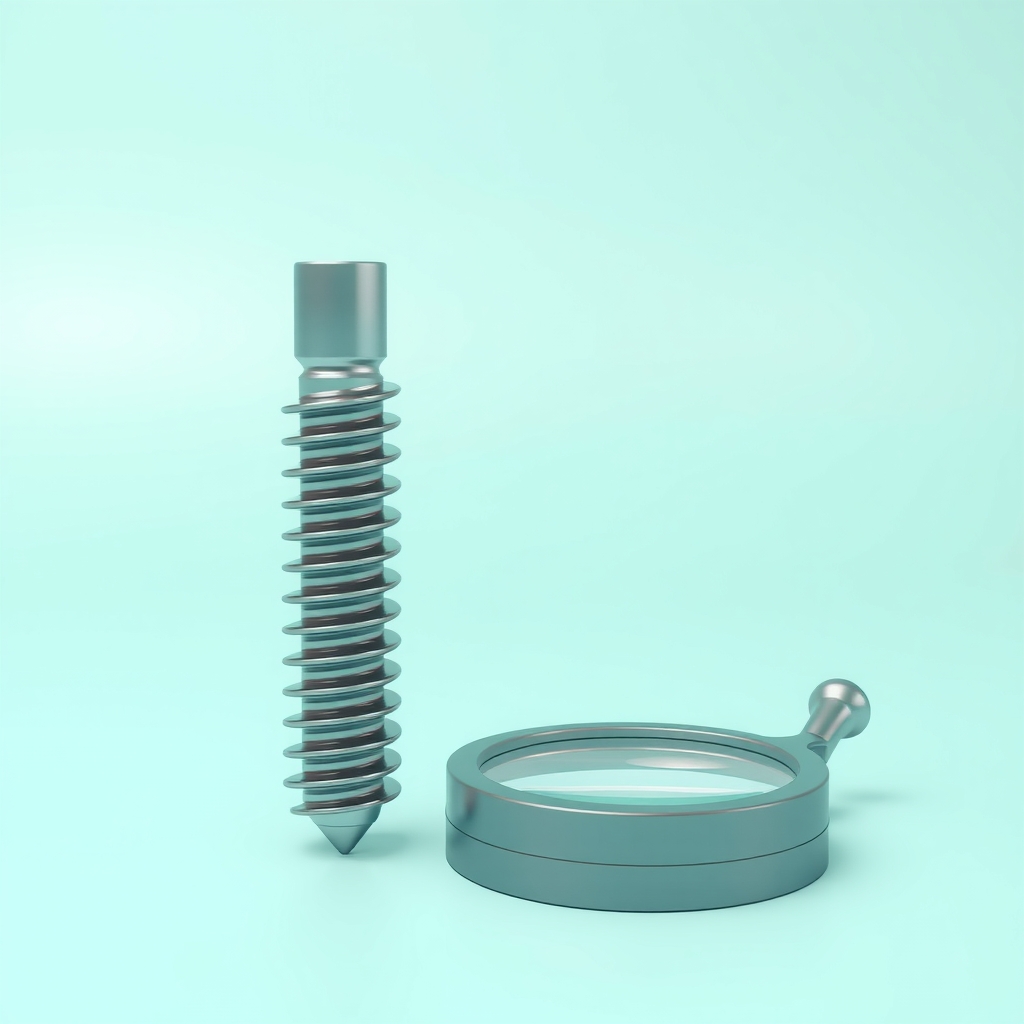
Modern implant planning relies heavily on digital tools. While no technology guarantees an outcome, the right equipment helps a specialist plan more accurately and reduces guesswork during surgery.
- 3D CT imaging (CBCT): Gives a detailed view of bone density, height, and width, and shows the exact position of nerves and sinuses
- Digital scanners: Create precise impressions without uncomfortable trays, useful for planning the crown that sits on the implant
- Guided implant planning software: Helps map implant position and angle before surgery begins
- Sterilisation and infection control standards: Autoclaving, single-use disposables, and documented hygiene protocols are basic but essential
During your consultation, it is reasonable to ask whether 3D imaging is done in-house or outsourced, since this can affect both convenience and timelines.
What Happens During the First Consultation
A thorough first visit sets the tone for the entire treatment. At a well-run clinic, you should expect a structured process rather than a quick decision pushed on the same day.
Typical Steps in the Consultation
- A review of your medical history, including conditions like diabetes or osteoporosis that can affect healing
- A clinical examination of the gums, remaining teeth, and bite
- Imaging, usually an X-ray or CT scan, to assess bone quality and quantity
- A discussion of implant options, including number of implants needed and type of restoration
- An honest conversation about timelines, including healing periods between stages
A trustworthy specialist will also explain if you are not a straightforward candidate for implants right away, perhaps due to low bone density or active gum disease, and will outline the steps needed first, such as bone grafting or periodontal treatment.
Questions Worth Asking Before You Decide
- What type of implant system do you use, and why?
- How do you handle cases where bone grafting is needed?
- What does the treatment plan look like step by step?
- Who do I contact if I have concerns after surgery?
A Note on Cost
Implant costs vary widely based on the number of implants, the type of crown, and whether bone grafting is required. In DLF Phase 2, Gurugram, the typical range for a single implant with crown spans a wide bracket depending on the brand and materials used. Rather than comparing a single number across clinics, ask for a written estimate that breaks down each stage of treatment so you can compare like for like.
| Factor | Why It Affects Planning |
|---|---|
| Bone density and volume | May require grafting before implant placement |
| Number of missing teeth | Affects whether single implants or a bridge-supported solution is suggested |
| Implant brand and material | Influences long-term durability and warranty terms |
| Overall health conditions | Conditions like diabetes can affect healing time |
Taking the time to check qualifications, ask about technology, and sit through a proper consultation process helps you make a confident, informed choice for your dental implant treatment.
Have questions about your teeth?
Cliniva Dental Clinic · DLF Phase 2, Sector 25, Gurugram
Frequently asked questions
How many implants can be placed in one sitting?
This depends on the number of missing teeth, bone health, and overall treatment goals. A specialist will assess this during your consultation and explain options like single implants, multiple implants, or full-arch solutions.
Is a CT scan always required before implant surgery?
Most reputable clinics recommend a 3D CT scan for accurate bone assessment, especially near nerves or sinuses. It helps plan implant position and size precisely, reducing surprises during surgery.
How long does the implant process take from start to finish?
Treatment timelines vary from a few months to about a year, depending on bone healing, whether bone grafting is needed, and the type of implant and crown chosen. Your dentist will give you a personalised timeline.
What qualifications should I verify before booking an implant consultation?
Check the dentist's dental degree, any additional implantology training or certification, years of implant-specific experience, and whether they use digital imaging and sterilisation protocols that meet current standards.
Treatment costs mentioned on this page are indicative ranges for the DLF Phase 2, Gurugram region. Your exact cost depends on your case and will be confirmed after a clinical examination at the clinic.