Dental Implant Failure: Warning Signs, Causes, and What to Do Next
Dental implants have a high success rate, but like any dental or medical procedure, they can occasionally fail. If you have had an implant placed and something feels off, it is natural to worry. This guide explains the warning signs to watch for, the common causes behind implant problems, and the steps to take if you suspect something is wrong with your implant.
What Does Implant Failure Mean
Implant failure happens when the implant post does not properly fuse with the jawbone (a process called osseointegration), or when a previously successful implant later becomes loose or infected. It can occur early, in the first few months after placement, or years later. Both situations need prompt attention from a dentist.
Warning Signs to Watch For
- Pain or discomfort that increases instead of settling down after the initial healing period
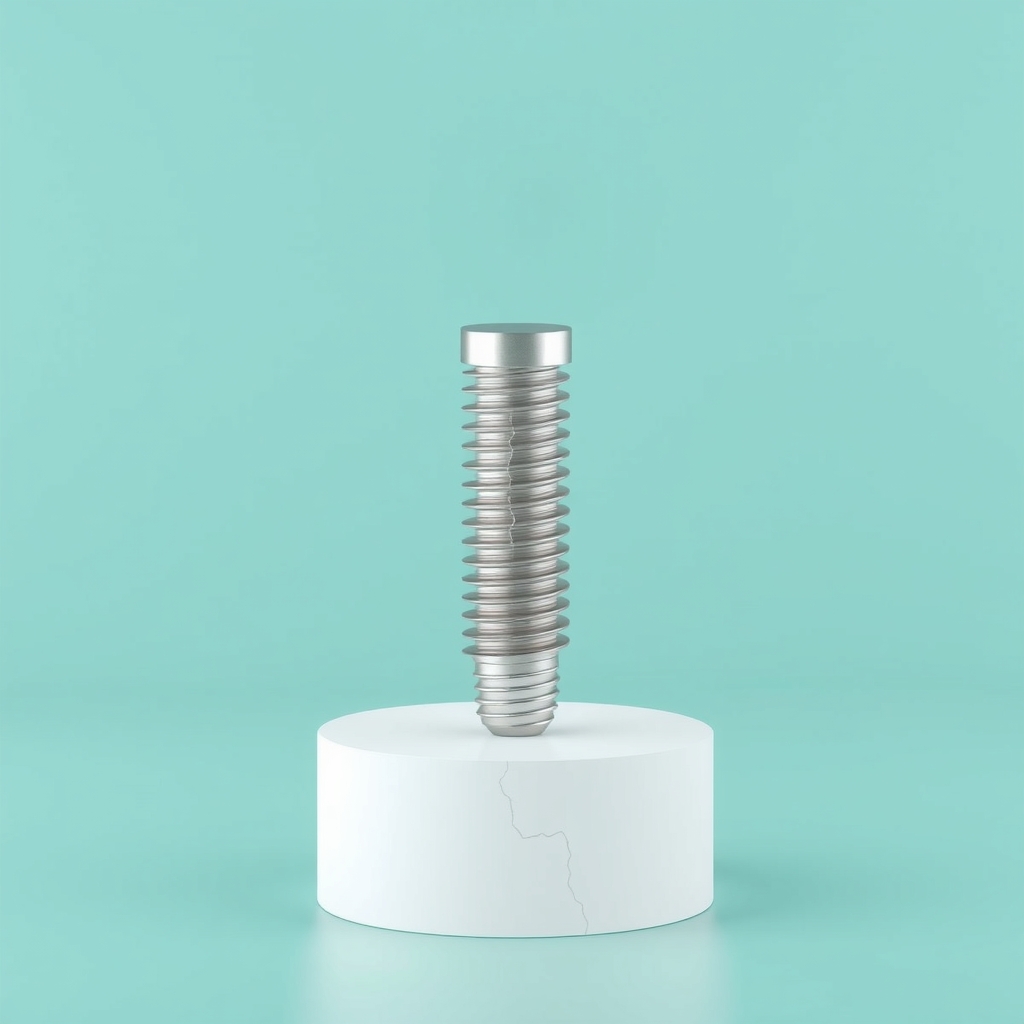
- Visible looseness or movement of the implant or the crown on top of it
- Swelling or redness in the gums around the implant that does not improve
- Pus or discharge near the implant site, often with a bad taste or odour
- Gum recession exposing part of the metal implant post
- Difficulty chewing or a feeling that your bite has changed
- Persistent bad breath localised to the implant area
Mild soreness, tenderness, or minor swelling in the first week or two after surgery is normal. Symptoms that worsen after that initial window, or appear months or years later, are the ones that need checking.
Common Causes of Implant Failure
Peri-implantitis
This is an infection and inflammation of the gum and bone around the implant, similar to gum disease around a natural tooth. It is one of the most common reasons implants fail later on, and it is usually linked to plaque buildup and inconsistent oral hygiene.
Poor Osseointegration
Sometimes the bone does not fuse properly with the implant due to insufficient bone density, a bone graft that did not heal as expected, or placement issues. This usually shows up as early failure, within the first few months.
Excess Bite Force
Grinding or clenching your teeth, especially at night, can put too much pressure on an implant before it is fully stable, or even years later, leading to loosening or fracture of components.
Smoking and Medical Conditions
Smoking restricts blood flow to the gums and significantly slows healing. Uncontrolled diabetes, osteoporosis, and certain autoimmune conditions can also affect how well bone heals around an implant.
Poor Oral Hygiene
Implants do not get cavities, but the gum and bone around them can still suffer from plaque buildup, leading to infection and bone loss over time.
Risk Factors to Be Aware Of
| Risk Factor | Why It Matters |
|---|---|
| Smoking or tobacco use | Slows healing, raises infection risk |
| Uncontrolled diabetes | Affects bone healing and infection control |
| Teeth grinding (bruxism) | Adds excess force on the implant |
| Poor oral hygiene | Leads to peri-implantitis over time |
| Low bone density | Affects initial implant stability |
| Skipping follow-up visits | Delays early detection of problems |
What to Do If You Suspect a Problem
- Do not ignore it. Early-stage problems are far easier to manage than advanced ones.
- Avoid chewing on that side until you have been examined, especially if the implant feels loose.
- Keep the area clean with gentle brushing, but avoid aggressive flossing around a visibly loose implant.
- Book a dental check-up promptly. Your dentist will usually examine the area and may take an X-ray to assess the bone around the implant.
- Share your full history, including when the implant was placed, any recent illness, and habits like smoking or grinding.
How Dentists Diagnose and Treat Implant Problems
Treatment depends on the cause and how early it is caught. Mild gum inflammation around an implant can often be managed with deep cleaning and improved hygiene habits. More advanced peri-implantitis may need specialised cleaning procedures or, in some cases, bone grafting. If the implant itself has failed to integrate or is significantly loose, it may need to be removed, with the site allowed to heal before considering another implant.
If you are near DLF Phase 2, Gurugram, and have concerns about an existing implant, it is best to get it examined sooner rather than later. A short visit for an X-ray and clinical check can clarify what is actually happening and prevent a minor issue from becoming a bigger one.
Have questions about your teeth?
Cliniva Dental Clinic · DLF Phase 2, Sector 25, Gurugram
Frequently asked questions
Can a loose implant be saved?
Sometimes, if the looseness is caught early and the implant itself is stable but the crown has come off. If the implant post itself is moving, it usually needs to be removed and the area allowed to heal before any further treatment is planned. A dentist needs to examine it to tell the difference.
How long after getting an implant can failure happen?
Early failure usually shows up within the first three to six months, often linked to poor healing or infection. Late failure can occur years later, usually due to gum disease around the implant or excess biting force. Regular checkups help catch problems at either stage.
Is implant failure painful?
Not always. Some implants fail quietly with gum recession, bleeding, or slow loosening and very little pain. This is why regular dental visits matter, since you cannot always rely on pain as the only warning sign.
Does smoking really affect implant success?
Yes. Smoking reduces blood flow to the gums and bone, which slows healing and raises the risk of infection around the implant. Patients who smoke have a noticeably higher rate of implant complications compared to non-smokers.
Treatment costs mentioned on this page are indicative ranges for the DLF Phase 2, Gurugram region. Your exact cost depends on your case and will be confirmed after a clinical examination at the clinic.