Dental Bridges: Types, Costs, and Who Is a Good Candidate
Missing a tooth can affect your smile, your bite, and even how you chew your food comfortably. A dental bridge is one of the most trusted ways to replace a missing tooth, and many patients at our clinic in DLF Phase 2, Gurugram ask us which type is right for them and what it may cost. This guide walks you through the common types of bridges, honest price ranges, and the factors that decide if you are a suitable candidate.
What Is a Dental Bridge?
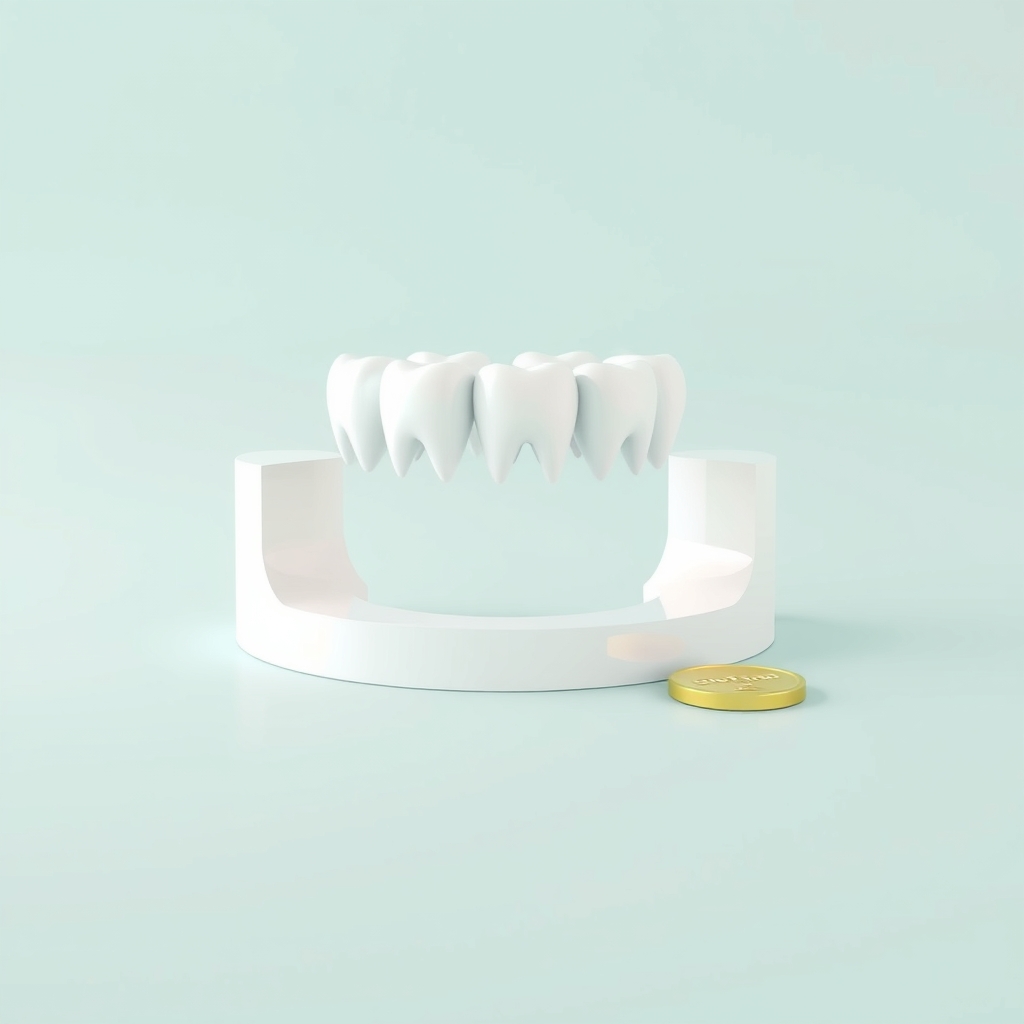
A dental bridge is a fixed dental restoration used to replace one or more missing teeth. It works by anchoring an artificial tooth, called a pontic, to the natural teeth or implants on either side of the gap. Unlike removable dentures, a bridge stays firmly in place and feels much closer to your natural teeth.
Common Types of Dental Bridges
Traditional Fixed Bridge
This is the most common type. The artificial tooth is held in place by crowns placed over the two natural teeth next to the gap. It is strong, reliable, and suitable when the neighbouring teeth are healthy enough to support crowns.
Cantilever Bridge
This type is supported by a crown on only one side of the gap. It is generally used when there is only one healthy tooth next to the missing space, though it is used less frequently today because it can place extra stress on the supporting tooth.
Maryland Bridge
Instead of crowns, this bridge uses a metal or porcelain framework bonded to the back of the adjacent teeth. It requires less reshaping of natural teeth, making it a more conservative option, though it is typically recommended for front teeth with lighter bite forces.
Implant-Supported Bridge
Here, the bridge is anchored by dental implants rather than natural teeth. This option is often suggested when several teeth are missing in a row, as it does not rely on neighbouring natural teeth for support and helps preserve the jawbone.
| Bridge Type | Best Suited For | Key Benefit |
|---|---|---|
| Traditional Fixed | Healthy teeth on both sides of gap | Strong and widely used |
| Cantilever | Only one healthy adjacent tooth | Fewer teeth involved |
| Maryland | Front teeth replacement | Less reshaping of natural teeth |
| Implant-Supported | Multiple missing teeth | Protects jawbone, no reliance on adjacent teeth |
Typical Cost Range in Gurugram
The cost of a dental bridge depends on the type, the material used, the number of teeth being replaced, and the condition of your supporting teeth. In DLF Phase 2, Gurugram, patients can generally expect the following typical range per unit or tooth involved:
- Traditional fixed bridge (metal-ceramic): typical range of Rs 4,000 to Rs 9,000 per tooth
- All-ceramic or zirconia bridge: typical range of Rs 8,000 to Rs 18,000 per tooth
- Maryland bridge: typical range of Rs 5,000 to Rs 10,000 per tooth
- Implant-supported bridge: typical range of Rs 25,000 to Rs 45,000 per implant, plus bridge costs
These figures are indicative only and can vary based on individual oral health needs. A clear treatment plan and cost estimate is best confirmed after an in-person consultation and examination.
Are You a Good Candidate for a Dental Bridge?
A dental bridge may be a good option for you if:
- You are missing one or a few teeth in a row
- The teeth next to the gap are healthy or can be strengthened with crowns
- You have good overall oral hygiene and healthy gums
- You prefer a fixed solution over a removable denture
- Your jawbone is in reasonable condition, especially if considering an implant-supported bridge
Bridges may not be ideal if you have active gum disease, insufficient bone support, or very weak adjacent teeth. In such cases, your dentist may suggest treating the underlying issue first or considering an alternative like dental implants.
What to Expect During Treatment
Getting a bridge usually involves preparing the supporting teeth, taking impressions, fitting a temporary bridge, and later placing the final restoration once it is ready. The entire process typically takes a couple of visits over one to two weeks, depending on the complexity of your case.
Caring for Your Dental Bridge
Good oral hygiene plays a big role in how long your bridge lasts. Brushing twice a day, flossing under the bridge with the right tools, and visiting your dentist for regular check-ups will help you get the most value from your investment.
If you are considering a dental bridge and want personalised advice based on your oral health, our team at Cliniva Dental Clinic in DLF Phase 2, Gurugram is happy to guide you through a thorough examination and honest treatment options.
Have questions about your teeth?
Cliniva Dental Clinic · DLF Phase 2, Sector 25, Gurugram
Frequently asked questions
How long do dental bridges usually last?
With good oral hygiene and regular dental check-ups, most dental bridges last between 10 to 15 years, and some can last even longer depending on the material and care.
Is getting a dental bridge painful?
The procedure is done under local anaesthesia, so you should not feel pain during the treatment. Mild sensitivity or soreness for a few days afterward is normal and manageable with simple care.
Can I eat normally with a dental bridge?
Yes, once your bridge is fitted and you have adjusted to it, you can eat most foods comfortably. Dentists usually suggest being a little cautious with very hard or sticky foods.
What happens if I ignore a missing tooth instead of getting a bridge?
Leaving a gap unaddressed can lead to shifting teeth, bite problems, jawbone loss, and added strain on remaining teeth, which may cause more complex issues later.
Treatment costs mentioned on this page are indicative ranges for the DLF Phase 2, Gurugram region. Your exact cost depends on your case and will be confirmed after a clinical examination at the clinic.