Types of Dental Anesthesia and Numbing Techniques: What to Expect
Many patients delay dental visits because they worry about pain during treatment. The good news is that modern dentistry relies on safe, well-researched numbing techniques that make most procedures comfortable. At Cliniva Dental Clinic in DLF Phase 2, Sector 25, Gurugram, we use the same anesthesia standards followed worldwide, adjusted carefully for each patient's age, health, and treatment needs.
What Is Local Anesthesia and How Does It Work?
Local anesthesia is a medicine that temporarily blocks nerve signals in a specific area of the mouth. It does not put you to sleep or affect your consciousness. Once injected, it stops pain messages from reaching the brain, so you remain awake and aware but do not feel sharp sensations in the treated area.
The effect usually begins within a few minutes and can last from one to six hours, depending on the type and dose used.
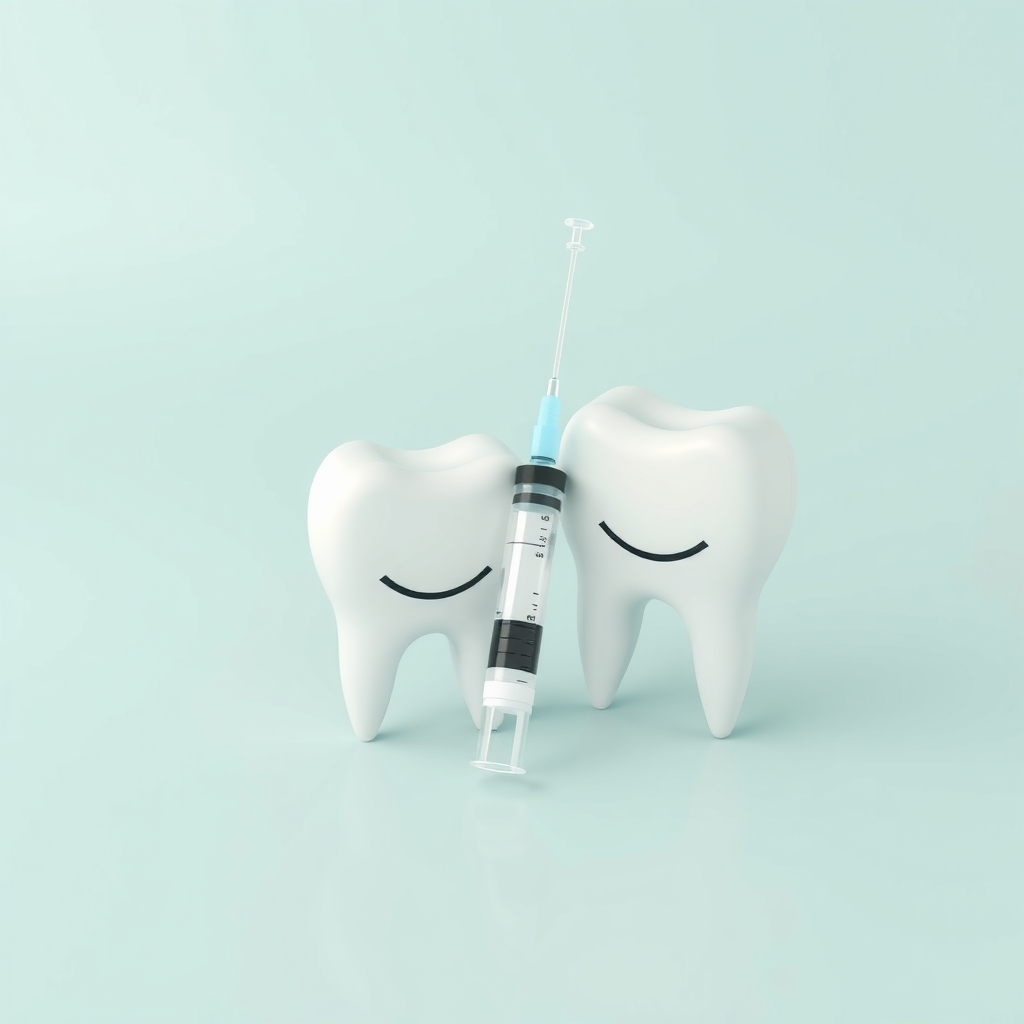
Common Numbing Techniques Used in Dentistry
Topical Anesthesia
Before an injection, dentists often apply a gel or spray to the gum surface. This numbs the area where the needle will enter, reducing the initial pinch many people fear.
Infiltration Anesthesia
This is the most common technique for upper teeth and smaller procedures. The anesthetic is injected near the tooth root, numbing a focused area.
Nerve Block Anesthesia
Used mainly for lower back teeth or larger procedures like wisdom tooth removal, this technique numbs an entire section of the jaw by targeting a major nerve.
Intraligamentary and Intraosseous Injections
These are more targeted methods sometimes used when a single tooth needs numbing without affecting the lips or tongue, helpful for patients who prefer less facial numbness afterward.
Is Dental Anesthesia Safe?
Local anesthetics used in dentistry have been studied for decades and are considered very safe when administered correctly. Serious complications are rare. Mild, temporary effects such as a tingling sensation, slight swelling at the injection site, or brief soreness can occur but usually resolve within a day.
Your dentist will review your medical history, allergies, and current medications before any injection to choose the safest option for you.
| Technique | Common Use | Typical Duration |
|---|---|---|
| Topical gel/spray | Numbing gums before injection | A few minutes |
| Infiltration | Fillings, upper teeth | 1 to 3 hours |
| Nerve block | Lower molars, extractions | 3 to 6 hours |
| Intraligamentary | Single tooth procedures | 30 minutes to 1 hour |
Anesthesia for Children
Children often feel more anxious about injections than adults. Pediatric dental care focuses on gentle communication, topical numbing before any injection, and precise dosing based on the child's weight. Many children tolerate local anesthesia well when the visit is explained calmly beforehand.
Parents should inform the dentist about any allergies or previous reactions to anesthesia so the right approach can be planned.
What to Expect During Your Visit
- The dentist will apply topical gel if an injection is planned.
- You may feel brief pressure or a small pinch during the injection itself.
- Numbness develops within a few minutes, and the dentist checks it before starting treatment.
- You will be asked to describe any sensation during the procedure so adjustments can be made if needed.
Caring for Yourself After Numbing
- Avoid eating or drinking hot liquids until the numbness fully wears off to prevent accidental injury to your lips, cheek, or tongue.
- Watch young children closely after dental visits since they may bite the numb area without realizing it.
- Contact the clinic if numbness lasts unusually long or if you notice signs of an allergic reaction such as swelling or rash.
Understanding how dental anesthesia works can ease a lot of worry before a procedure. If you have specific concerns about pain management, medical conditions, or anesthesia options, the team at Cliniva Dental Clinic in DLF Phase 2, Gurugram, is happy to discuss your options at your next visit.
Have questions about your teeth?
Cliniva Dental Clinic · DLF Phase 2, Sector 25, Gurugram
Frequently asked questions
Will I feel pain during my dental procedure if I am numbed?
Most patients feel only pressure or vibration, not sharp pain. If you feel pain, tell your dentist immediately so more anesthetic can be given before continuing.
Is local anesthesia safe for children?
Yes, when dosed correctly based on the child's weight and age by a trained dentist. Pediatric dental teams at clinics in Gurugram routinely use local anesthesia safely for fillings and extractions.
How long does numbness last after a dental procedure?
This varies by the anesthetic used, typically between one and six hours. Your dentist will tell you the expected duration and advise care until sensation fully returns.
Can I eat or drive after getting numbing injections at the dentist?
Avoid eating until numbness wears off to prevent biting your cheek or tongue. Driving is usually fine since local anesthesia does not affect alertness, unlike sedation.
Treatment costs mentioned on this page are indicative ranges for the DLF Phase 2, Gurugram region. Your exact cost depends on your case and will be confirmed after a clinical examination at the clinic.