Does Activated Charcoal Toothpaste Actually Whiten Teeth?
Activated charcoal toothpaste has been trending for a few years now, promising a brighter, whiter smile using a natural-looking black paste. Many patients in DLF Phase 2 ask us at Cliniva Dental Clinic whether this popular product is actually worth trying. Here is what the current dental research says, and what is safer for your teeth long term.
What Is Activated Charcoal Toothpaste?
Activated charcoal is a fine, porous powder made by heating carbon-rich materials like coconut shells or wood at high temperatures. It is known for its ability to absorb substances, which is why it is used in some medical settings for poisoning. Toothpaste brands market it as a natural way to pull away stains and toxins from teeth.
Does It Actually Whiten Teeth?
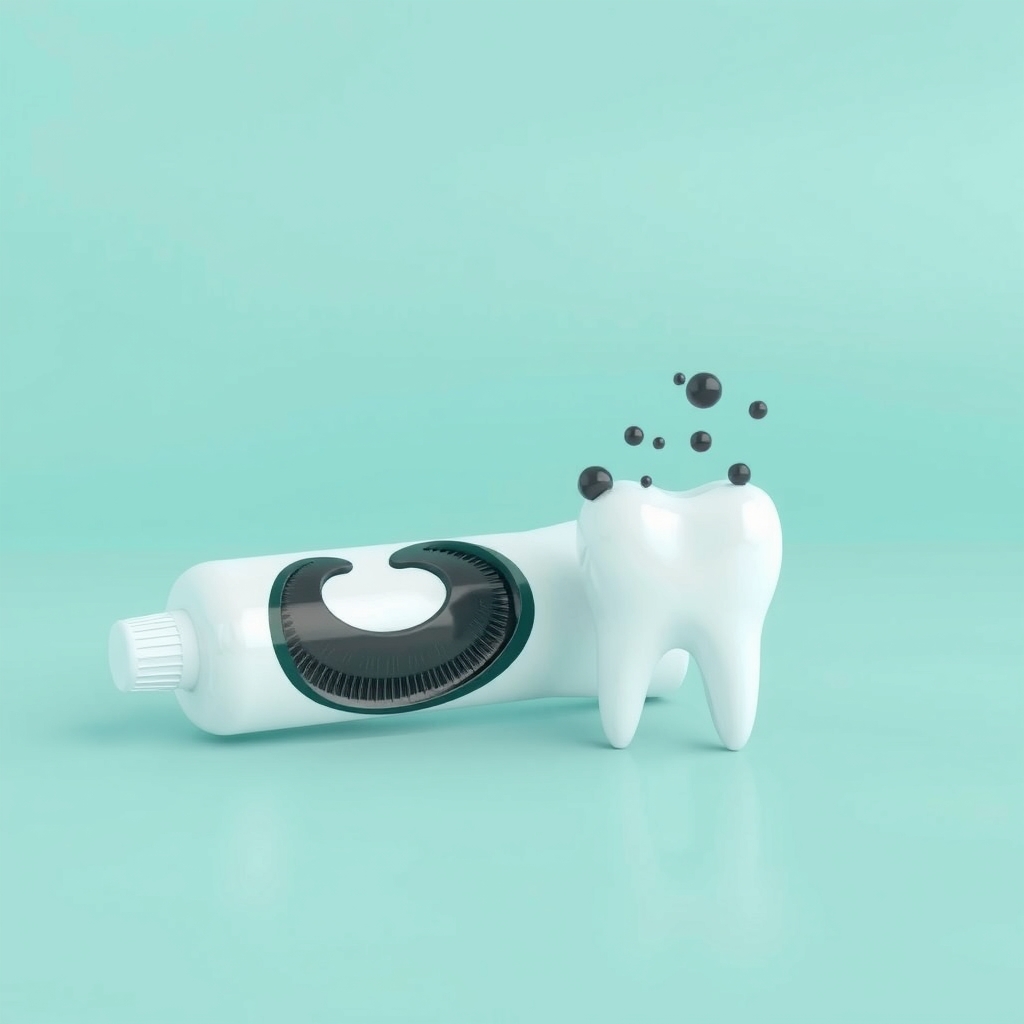
The honest answer is that charcoal toothpaste can make teeth look slightly whiter in the short term, but not by actually bleaching or changing the tooth colour. Instead, it works mainly through abrasion, physically scrubbing away some surface stains from coffee, tea, or tobacco.
Several reviews of dental research, including publications by the American Dental Association, note there is not enough reliable clinical evidence to confirm that charcoal toothpaste is safe or effective for whitening compared to standard fluoride toothpaste. Most claims are based on marketing rather than controlled studies.
Why the Effect Does Not Last
Because charcoal only removes surface staining and does not penetrate the tooth structure, any brightening effect is usually temporary. Stains return once you resume normal eating and drinking habits, often within a few weeks.
The Enamel Damage Concern
This is the more important issue. Charcoal particles are quite abrasive, and most charcoal toothpaste formulations have a higher RDA (Relative Dentin Abrasivity) value than regular toothpaste. Repeated use, especially with a hard-bristled brush or heavy pressure, can gradually wear down enamel.
- Enamel does not regenerate once it is worn away
- Thinner enamel can expose the yellowish dentin underneath, making teeth look more yellow over time, not whiter
- Worn enamel often leads to increased tooth sensitivity to hot, cold, or sweet foods
- Charcoal can settle into small cracks or gaps in old fillings and along the gum line, sometimes making the mouth look duller
Missing Fluoride Is a Real Drawback
Most charcoal toothpaste on the market does not contain fluoride, which is the ingredient responsible for strengthening enamel and preventing cavities. Using charcoal toothpaste as your only daily toothpaste means missing out on this protection, which can raise your risk of decay over months and years.
What Dentists Recommend Instead
If your goal is a brighter smile without compromising enamel health, there are safer, evidence-backed options.
| Option | How It Works | Typical Range (DLF Phase 2, Gurugram) |
|---|---|---|
| Fluoride toothpaste (daily use) | Prevents decay, maintains enamel strength | Included in routine home care |
| Professional teeth cleaning | Removes plaque, tartar, and surface stains safely | Rs. 1,500 to Rs. 3,500 typical range |
| In-clinic whitening | Dentist-supervised bleaching gel, faster and controlled results | Rs. 8,000 to Rs. 18,000 typical range |
| Take-home whitening trays | Custom trays with gel used at home under guidance | Rs. 6,000 to Rs. 12,000 typical range |
These figures are a general guide only. Actual costs depend on the extent of staining, number of sessions needed, and your dentist's assessment during a visit to our DLF Phase 2 clinic.
Simple Daily Habits That Help
- Brush gently twice a day with a soft-bristled brush and fluoride toothpaste
- Rinse your mouth with water after tea, coffee, or coloured beverages
- Use a straw for staining drinks when possible
- Visit your dentist every six months for a professional cleaning
Our Recommendation at Cliniva Dental Clinic
We understand the appeal of a natural-sounding, trendy product, but based on current dental evidence, activated charcoal toothpaste is not a reliable or safe long-term whitening solution. If you are considering it, we suggest speaking with your dentist first, especially if you already have sensitive teeth, thin enamel, or existing dental work. A quick consultation can help you choose a whitening approach that actually suits your teeth rather than risking irreversible enamel wear.
If you live near DLF Phase 2, Sector 25, Gurugram, and want an honest assessment of your teeth before trying a new whitening product, our team at Cliniva Dental Clinic is happy to help you make an informed decision.
Have questions about your teeth?
Cliniva Dental Clinic · DLF Phase 2, Sector 25, Gurugram
Frequently asked questions
Is charcoal toothpaste banned or unsafe to use at all?
It is not banned, but most dentists advise against daily use because of its abrasive nature and lack of fluoride. Occasional use is unlikely to cause harm, but daily brushing with it is not recommended.
Can charcoal toothpaste remove old stains permanently?
No. It can polish away some surface stains temporarily, but it does not change the natural colour of your teeth or remove deep, set-in stains. Results are usually short-lived.
What is the safest way to whiten teeth at home?
Fluoride toothpaste for daily cleaning combined with dentist-supervised whitening gel or trays is currently the safest, evidence-backed approach. Avoid combining strong home remedies with professional whitening without checking first.
How do I know if my enamel has already been damaged by abrasive toothpaste?
Signs include increased tooth sensitivity, a slightly translucent or yellowish appearance near the edges, and rough-feeling teeth. A dental check-up at Cliniva can confirm enamel wear with a simple examination.
Treatment costs mentioned on this page are indicative ranges for the DLF Phase 2, Gurugram region. Your exact cost depends on your case and will be confirmed after a clinical examination at the clinic.