How Regular Alcohol Consumption Affects Your Teeth, Gums, and Oral Tissues
Many people in DLF Phase 2, Gurugram enjoy a drink socially or unwind with one after work, without realising the effect this habit can have on their mouth over time. Alcohol does not just affect your liver and general health. It has direct and indirect consequences for your teeth, gums, and the soft tissues inside your mouth. Understanding these effects can help you make informed choices and protect your smile for the long term.
Dry Mouth and Reduced Saliva Flow
Saliva plays a protective role in your mouth. It washes away food particles, neutralises acids, and delivers minerals that help repair early enamel damage. Alcohol is a diuretic and also directly reduces saliva production, leading to a condition called dry mouth, or xerostomia.
When saliva flow drops, bacteria and acids linger longer on your teeth and gums. This creates an environment where cavities, bad breath, and gum irritation can develop more easily. People who drink regularly often notice a persistently dry or sticky feeling in their mouth, especially after waking up.
Common signs of alcohol-related dry mouth
- A sticky or cottony feeling in the mouth
- Bad breath that does not improve with brushing
- Difficulty swallowing dry foods
- Increased thirst, especially at night
- Cracked lips or a sore throat
Enamel Erosion from Acidic Drinks
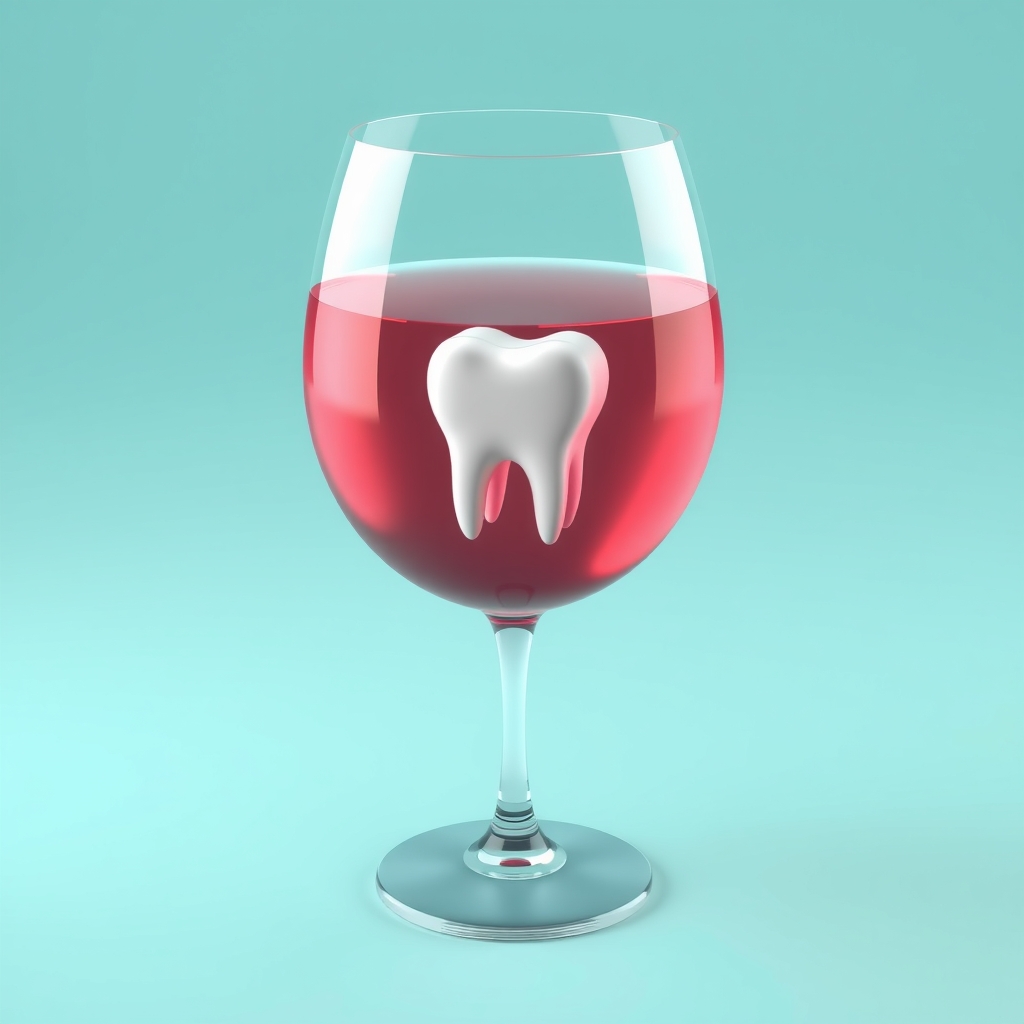
Many alcoholic beverages, including wine, beer, and mixed cocktails, are acidic. Repeated exposure to this acidity gradually softens and wears away tooth enamel, the hard protective outer layer of your teeth. Once enamel erodes, it does not grow back, and teeth can become more sensitive to hot, cold, and sweet foods.
Wine in particular can also stain teeth due to its pigments combining with eroded enamel surfaces, making discolouration more noticeable over time. Mixing alcohol with sugary sodas or juices adds another layer of risk, combining acid damage with sugar exposure.
Increased Risk of Cavities and Gum Disease
Regular alcohol consumption affects oral health in several overlapping ways that raise cavity and gum disease risk:
- Dry mouth allows plaque and bacteria to build up faster
- Sugary mixers feed cavity-causing bacteria
- Alcohol can weaken the immune response in gum tissue, making gums more prone to inflammation and bleeding
- Heavy drinking is often linked with less consistent oral hygiene habits, such as skipping brushing before bed
Over time, untreated gum inflammation can progress to gum disease, which affects the bone and tissue supporting your teeth.
Oral Cancer Risk
One of the more serious long-term concerns is oral cancer. Regular and heavy alcohol use is a recognised risk factor for cancers of the mouth, tongue, and throat. This risk increases further when alcohol use is combined with tobacco or smoking, as the two substances can amplify each other's harmful effects on oral tissues.
Oral cancer in its early stages often has no obvious symptoms, which is why routine dental checkups that include an oral tissue examination are important, especially for regular drinkers.
Warning signs to watch for
- A mouth sore or ulcer that does not heal within two weeks
- Red or white patches on the gums, tongue, or inside the cheeks
- Persistent soreness or a lump in the mouth or neck
- Difficulty chewing, swallowing, or moving the jaw or tongue
- Unexplained numbness in the mouth
If you notice any of these signs, it is best to get it checked promptly rather than waiting.
Protecting Your Oral Health If You Drink Regularly
You do not need to eliminate alcohol completely to protect your mouth, but a few simple habits can meaningfully reduce the risks:
- Drink water alongside alcoholic beverages to help combat dry mouth
- Avoid brushing immediately after drinking acidic beverages, as enamel is temporarily softened. Wait at least 30 minutes
- Choose lower-sugar mixers where possible
- Maintain a consistent brushing and flossing routine, even on social evenings
- Schedule regular dental checkups that include an oral tissue screening
When to See Your Dentist
If you drink regularly and notice tooth sensitivity, persistent dry mouth, bleeding gums, or any unusual sores or patches in your mouth, it is worth getting a professional evaluation. Our team at Cliniva Dental Clinic in DLF Phase 2, Sector 25, Gurugram can assess enamel wear, gum health, and perform an oral tissue check as part of your routine visit, helping catch issues early when they are easiest to manage.
Have questions about your teeth?
Cliniva Dental Clinic · DLF Phase 2, Sector 25, Gurugram
Frequently asked questions
How much alcohol is considered harmful for oral health?
There is no universally safe amount for dental health, but frequent or heavy drinking causes more noticeable damage over time. Occasional moderate drinking combined with good oral hygiene carries lower risk than regular heavy use.
Can alcohol cause cavities directly?
Alcohol itself is not sugary like soda, but many mixers, cocktails, and dry mouth caused by alcohol create conditions where cavity-causing bacteria thrive, raising your decay risk indirectly.
Does mouthwash with alcohol cause the same problems as drinking?
Alcohol-based mouthwash used briefly is different from swallowed alcohol, but it can still dry out oral tissues with frequent use. Alcohol-free mouthwash is a gentler option if you already have dry mouth.
Should I tell my dentist if I drink regularly?
Yes. Sharing accurate information about alcohol use helps your dentist screen for oral cancer, gum disease, and enamel wear more effectively, and tailor advice for your specific risks.
Treatment costs mentioned on this page are indicative ranges for the DLF Phase 2, Gurugram region. Your exact cost depends on your case and will be confirmed after a clinical examination at the clinic.